

Forex Trading Benefits for Nigerian Investors
Explore how forex trading opens global currency markets to Nigerian investors 📈 with flexibility, high liquidity, and portfolio diversification for smarter wealth growth 💰
Edited By
Olivia Hughes
Cryptocurrency trading has gained serious traction across Nigeria, driven by the naira’s volatility and growing tech adoption. But succeeding in this space demands more than luck or quick guesses. You need solid strategies that fit Nigeria’s unique financial terrain and regulatory environment.
Unlike traditional markets, crypto markets run 24/7, with prices swinging sharply on global news and local economic events. For Nigerian investors, challenges like unstable internet, fluctuating naira exchange rates, and occasional CBN restrictions on crypto banking add complexity.

That said, crafting a smart approach can turn these challenges into advantages. For example, understanding when the naira is weak against the dollar can guide your timing on purchases or sales of Bitcoin or stablecoins like USDT.
Remember, crypto trading isn’t gambling; it requires discipline, constant learning, and adapting tactics to evolving conditions in Nigeria’s market.
Many Nigerian investors mix fundamental and technical analysis to get a fuller view of market trends. Fundamental analysis looks at factors like blockchain updates, adoption rates, regulation changes by the Central Bank of Nigeria (CBN), global crypto policies, and macroeconomic signals. Technical analysis uses charts to read price action, identify support and resistance levels, and determine when to enter or exit trades.
For instance, a trader monitoring Ethereum might watch for major project upgrades while also tracking technical indicators like moving averages or Relative Strength Index (RSI) to time buys.
Meanwhile, proper risk management is vital in protecting your capital from Nigeria-specific risks such as price manipulation, pump-and-dump schemes, and local scams. Setting stop-loss orders and only risking a small percentage of your trading capital on each deal can help preserve funds during unpredictable swings.
In this article, we'll unpack these trading techniques in detail, focusing on practical ways Nigerian investors can boost their chances of earning steady profits despite market volatility and operational challenges faced here.
Grasping the basics of crypto trading is vital for any Nigerian investor aiming to succeed in this volatile market. Without a solid understanding of key terms, market dynamics, and local trading conditions, it’s easy to make poor decisions that could erode your capital. This foundation enables you to interpret charts, news, and market signals more effectively, helping to sharpen your strategy and ultimately protect your investments.
Cryptocurrencies come in different forms, primarily coins and tokens. Coins, like Bitcoin (BTC) and Ethereum (ETH), generally operate on their own independent blockchains. Tokens, on the other hand, are built on existing platforms, such as the many ERC-20 tokens on Ethereum. Knowing this difference helps you understand project fundamentals; for instance, some tokens are utility tokens that grant access to services, while others are security tokens representing assets.
Exchanges are the marketplaces where you buy and sell cryptocurrencies. In Nigeria, platforms like Binance, Luno, and Quidax are popular due to their ease of use and acceptance of the Naira. Wallets are digital tools for storing your cryptocurrencies. They range from online (hot wallets) to offline (cold wallets). Using a wallet like Trust Wallet or Ledger Nano keeps your assets secure, especially important given the risk of hacks or scams targeting Nigerian traders.
Market capitalisation (market cap) represents the total value of a cryptocurrency and helps indicate its relative size and stability. For example, Bitcoin’s large market cap typically signals lower risk compared to smaller altcoins. Trading volume shows how much of a coin changes hands over a period; higher volume often means better liquidity and easier entry or exit. Nigerian investors must watch both, as thinly traded coins may present challenges when trying to convert back to Naira.
Nigerian traders favour exchanges that combine global reach with local payment options. For example, Binance allows P2P trades that facilitate Naira deposits and withdrawals through local banks. Luno supports direct Naira funding and is known for user-friendly features. These platforms bridge the gap between global crypto markets and Nigeria’s unique banking landscape.
The Central Bank of Nigeria (CBN) placed restrictions on banks dealing directly with crypto exchanges in 2021, complicating direct fiat-crypto conversions. This regulatory stance pushes many Nigerians towards peer-to-peer trading platforms and decentralised exchanges. While no outright ban exists, ongoing regulatory uncertainty means traders must remain cautious and regularly update themselves about new guidelines.
Most Nigerian traders depend on bank transfers and mobile money channels like Paga or Opay to fund their crypto accounts. However, daily limits and occasional service interruptions can affect trading fluidity. Forex availability is an added challenge due to naira volatility and Central Bank policies. Therefore, diversifying payment methods and understanding forex restrictions help maintain smooth capital flow when trading crypto locally.
Understanding these basics arms you against common pitfalls and sets a clear path for building profitable and secure crypto trading habits in Nigeria.
Navigating Nigeria's vibrant but volatile cryptocurrency market demands a firm grasp of core trading strategies. These strategies serve as your compass, helping to spot valuable opportunities and avoid costly mistakes. Whether you trade daily or hold for the long haul, understanding fundamental and technical analysis alongside suitable trading styles puts you ahead in this fast-moving environment.
Before putting money into any crypto asset, Nigerian investors must examine the project's whitepaper carefully. This document outlines the project’s goals, technology, and roadmap. Look for clear problem-solving approaches and innovative features relevant to Nigeria, such as scalable blockchain solutions or payment integrations suited for local needs. Equally crucial is the team’s credibility—check their experience, previous successes, and track record in delivering on promises. A strong team behind a solid concept drastically reduces risks.
Crypto markets respond swiftly to global and local news, which can shift prices dramatically. Nigerian traders should keep a close eye on announcements from regulatory bodies like the Central Bank of Nigeria (CBN) or major global events affecting demand and supply. For example, news about foreign exchange restrictions or Nigerian bank relationships with crypto exchanges often cause significant impacts. Staying updated helps you make timely decisions, such as buying undervalued coins or selling before negative sentiment spreads.
Tokens with real-world uses and growing communities tend to perform better long-term. Consider how the asset fits into practical applications in Nigeria—does it facilitate remittances, support peer-to-peer payments, or provide access to decentralised finance (DeFi)? For instance, tokens powering platforms like Remita or Piggyvest signal strong utility. Widespread adoption indicates trust and longevity, increasing the likelihood of value appreciation.

Candlestick charts visually represent price movements within specific periods, revealing market psychology. Nigerian traders benefit from recognising common patterns like "hammer" or "doji," which signal potential market reversals or continuation. For example, spotting a hammer after a price drop may suggest buyers are stepping in, offering a good entry point. Mastery of these patterns aids smarter timing of trades.
Support and resistance act as price floors and ceilings. Nigerian traders should map these levels from historical charts to anticipate where prices might bounce or stall. For example, if Bitcoin repeatedly drops to ₦28 million but fails below, that’s a support level to watch. Conversely, consistent resistance near ₦32 million signals selling pressure. Using these levels helps set entry, exit, and stop-loss points effectively.
Indicators such as the Relative Strength Index (RSI) and Moving Average Convergence Divergence (MACD) provide quantitative insights into price momentum and trend strength. An RSI value above 70 often signals overbought conditions, warning Nigerian traders to prepare for potential pullbacks. MACD crossovers help detect trend changes early. Combining these tools refines decisions beyond mere price observations.
Day trading involves making several trades within a single day to exploit short-term price fluctuations, suitable for disciplined Nigerians with quick access to reliable internet. Swing trading, on the other hand, targets medium-term trends lasting days or weeks, allowing more flexibility and less screen time. Both have pros and cons; your choice depends on your time availability and risk appetite.
Scalping focuses on very brief trades aiming to earn small profits from minor price changes many times a day. Nigerian traders who master rapid execution and have low transaction costs can benefit from this. However, it requires intense concentration and fast decision-making, making it more suitable for experienced traders.
Position trading involves holding assets over several months or years, banking on fundamental strength and broader market growth. Nigerians preferring less stress and who believe in the long-term potential of cryptocurrencies often adopt this approach. For example, buying tokens like Binance Coin (BNB) or Ethereum (ETH) and holding through market swings has proven profitable over time.
Successful crypto trading in Nigeria follows clear strategies blending research, technical insight, and suitable styles. Without these, you risk being swept by market waves instead of surfing them confidently.
Managing risks and protecting investments are fundamental for Nigerian crypto traders to survive and thrive in volatile markets. Given the wild swings common in cryptocurrency prices, having a plan to limit losses and secure gains is not optional — it’s essential. That said, understanding key techniques like stop-loss orders and diversification can turn a chaotic market into a manageable opportunity.
Stop-loss and take-profit orders are your safety nets to guard against sudden market movements. A stop-loss order tells your exchange to sell a crypto asset automatically when it dips to a certain price, preventing further losses. For instance, if you bought Bitcoin at ₦5 million, setting a stop-loss at ₦4.5 million limits your downside to ₦500,000.
Take-profit orders work the opposite way. They lock in gains by selling your holding once it hits a target price. Suppose you expect Ethereum to rise to ₦800,000; a take-profit order ensures you cash out automatically when that happens without needing to constantly watch the charts.
Together, these orders help maintain discipline, preventing emotional decisions like panic selling or greed-driven overholding.
Putting all your eggs in one crypto basket is risky, especially in Nigeria’s unpredictable financial environment with naira fluctuations and liquidity challenges on many exchanges. Diversifying your portfolio across different cryptocurrencies and even asset classes spreads risk. For example, combining stablecoins like USDT with established tokens like Binance Coin and emerging altcoins reduces the impact if one asset tanks.
Besides cryptocurrencies, consider holding some traditional assets like stocks or real estate if possible. This mix helps balance volatility, stabilising overall portfolio performance through lean market spells.
Crypto markets often react sharply to news—whether it’s a regulatory update from the Central Bank of Nigeria or international crypto trends. Nigerian traders should track global sentiment and local events. For example, announcements of stricter forex controls might lead to quick drops in prices due to reduced naira liquidity.
Learning to read market sentiment—through social media buzz, news cycles, and trading volumes—can give traders an edge. When markets turn jittery, scaling down position sizes or moving to stablecoins helps protect capital.
In crypto trading, controlling risk often matters more than chasing high profits. Smart traders lock in gains steadily and avoid catastrophic losses.
Keeping your crypto safe starts with choosing the right wallet. Hot wallets, connected to the internet, offer convenience but expose you to hacking risks. Cold wallets, which store your assets offline—like hardware wallets from Ledger or Trezor—provide superior security. Many Nigerian traders prefer cold storage for large holdings to avoid losing funds in exchange hacks or malware attacks.
Using cold storage means your private keys aren’t accessible online, so even if your computer is compromised, your crypto remains safe. For smaller trading amounts meant for quick trades, a reputable mobile wallet like Trust Wallet or Binance Wallet suffices, but avoid storing all funds there.
Scams are rife in Nigerian crypto space, from fake investment schemes to phishing attacks. Always verify the legitimacy of projects and platforms before transferring funds. Avoid sharing your private keys or seed phrases, no matter who asks.
Enable two-factor authentication (2FA) on all accounts involved in your trading activities, especially exchanges and wallets. Regularly update passwords and be cautious of suspicious links or unsolicited messages promising quick profits.
Being alert to new scam tactics and educating yourself continuously helps keep your investments safe in Nigeria’s fast-evolving crypto landscape.
By managing risks effectively, Nigerian traders can protect their capital and position themselves for steady growth despite crypto’s volatility. Stop-loss orders, diversification, understanding market sentiment, and prioritising security are among the best ways to trade smarter, not harder.
Practical tips tailored for Nigerian crypto traders are essential because Nigeria’s market environment differs significantly from global norms. Trustworthy payment channels, local exchange options, tax compliance, and understanding local market behaviours all influence trading success. Applying these tips helps traders avoid common pitfalls and optimise their strategies to fit Nigerian realities.
Several reputable exchanges now accept direct funding with the Nigerian Naira (₦), simplifying crypto access without the constant need for currency conversion. Platforms like Binance Nigeria, Luno, and BuyCoins allow seamless deposits and withdrawals in ₦, which helps traders avoid costly forex fees and delays. Using these platforms not only improves speed but reduces the risk around unstable FX rates.
For example, a trader wanting to buy Bitcoin (BTC) quickly during volatile price swings can deposit ₦ directly on Binance Nigeria rather than converting naira to dollars via third-party providers. This localised liquidity speeds up trading decisions, which is crucial when markets shift suddenly.
Bank transfers remain the most trusted and widely used method for moving funds in Nigeria. Most local exchanges integrate with Nigerian banks via NIP (NIBSS Instant Payment) or USSD protocols, enabling near-instant transfers. Yet, traders sometimes face limitations during ember months when banks tighten foreign exchange, causing delays.
Mobile money wallets like OPay and PalmPay also serve as useful alternatives, especially where bank transaction limits are a concern. These wallets offer quick reloads, enabling traders to act fast on market opportunities even when physical banks are closed or slow. Knowing which payment methods each exchange supports helps traders plan deposits and withdrawals without getting stuck waiting for fund clearance.
The Federal Inland Revenue Service (FIRS) now pays closer attention to crypto transactions, treating gains as taxable income under capital gains tax (CGT) rules. Nigerian investors and traders must be aware that crypto profits above certain thresholds are liable for tax reporting. Keeping abreast of FIRS’s guidelines prevents surprises during audits or compliance checks.
Since crypto regulations are evolving, traders should stay updated via FIRS announcements and seek expert advice if possible. For instance, declaring gains realized from trading Bitcoin on exchanges like Luno or Binance Nigeria is expected. Ignoring this can lead to penalties or further investigations.
Maintaining detailed records of all trades, purchases, and sales is indispensable for accurate tax reporting and personal performance assessment. Many Nigerian traders underestimate this, leading to missed declarations or incorrect tax filing.
Effective record-keeping includes transaction dates, amounts in naira, exchange rates at purchase and sale, wallet addresses, and fees paid. Using spreadsheet software or dedicated apps can simplify compiling these details. Some Nigerian exchanges provide transaction histories downloadable in formats suitable for tax authorities, so traders should back this up consistently.
The naira’s exchange rate shifts can significantly affect crypto trade values and profitability. When the naira weakens against the dollar, the cost of buying crypto priced in USD rises, potentially lowering gains upon naira conversion.
Savvy traders monitor Central Bank of Nigeria (CBN) policies and parallel market rates to time their purchases and sales. For instance, buying crypto during periods where naira stabilises or strengthens can enhance returns when trading back to ₦. Ignoring this dynamic risks eroding profits through exchange rate losses.
The ember months (September to December) often witness heightened economic activity and volatility, driven by festive spending, year-end budgeting, and political events. Crypto markets feel this impact locally as well.
During ember months, liquidity in local bank systems might tighten, affecting fund transfers and influencing trader behaviour. Market volume and price swings can widen, offering opportunities but raising risks. Nigerian traders should plan trades carefully, avoid overleveraging, and possibly reduce exposure during these months.
"Good timing combined with local market awareness offers Nigerian crypto traders an edge that pure technical analysis alone cannot provide."
Applying these practical tips positions Nigerian investors better to navigate the unique challenges in local crypto trading and protect their hard-earned ₦ investments effectively.
Avoiding common mistakes is crucial for Nigerian crypto traders who want to protect their investments and secure consistent profits. Crypto trading’s volatility demands discipline and clear strategy, so recognising usual missteps can save you from heavy losses and unnecessary frustration.
One major trap is rushing into trades based on hype or rumours. For instance, when a token suddenly trends on social media platforms or WhatsApp groups, novice traders often dive in without proper evaluation. This excitement—sometimes fuelled by influencers or unverified tips—can lead to buying at peak prices, only to see the value plummet the next day. Instead of chasing fast gains, focus on verified data and realistic targets.
Skipping thorough research is another common error. Many Nigerian investors jump onto new coins without reading whitepapers or understanding the project fundamentals. For example, a crypto promising quick returns without a solid use case or an active developer community is a red flag. Equally important is technical analysis—neglecting charts, trend lines, and indicators can blindside you to key market signals. Combining fundamental and technical research improves decision accuracy and minimizes surprises.
Risk management often gets overlooked, yet it’s the backbone of sustainable trading. Some traders allocate all their capital to one asset, which exposes them to huge risk if the market swings. Setting stop-loss orders and defining your risk tolerance per trade help control potential losses. For example, limiting a loss to 2-3% of your total investment on any single position prevents a bad trade from wiping out your progress.
Finally, overtrading is a subtle but costly mistake. Easy access to platforms like Binance or Luno often tempts traders into frequent buying and selling, hoping to cash in on tiny price moves. However, this behaviour increases transaction fees and emotional stress, eating into profits. Nigerian traders should set trading limits and stick to plans, avoiding impulsive moves caused by volatile market noise.
Staying aware of these pitfalls and acting deliberately will strengthen your crypto trading skills and help you maximise opportunities safely in Nigeria’s unique market environment.
By recognising these common mistakes—chasing hype, ignoring research, neglecting risk management, and overtrading—you’re better placed to navigate crypto trading confidently and protect your ₦ investments for the long haul.
Explore how forex trading opens global currency markets to Nigerian investors 📈 with flexibility, high liquidity, and portfolio diversification for smarter wealth growth 💰
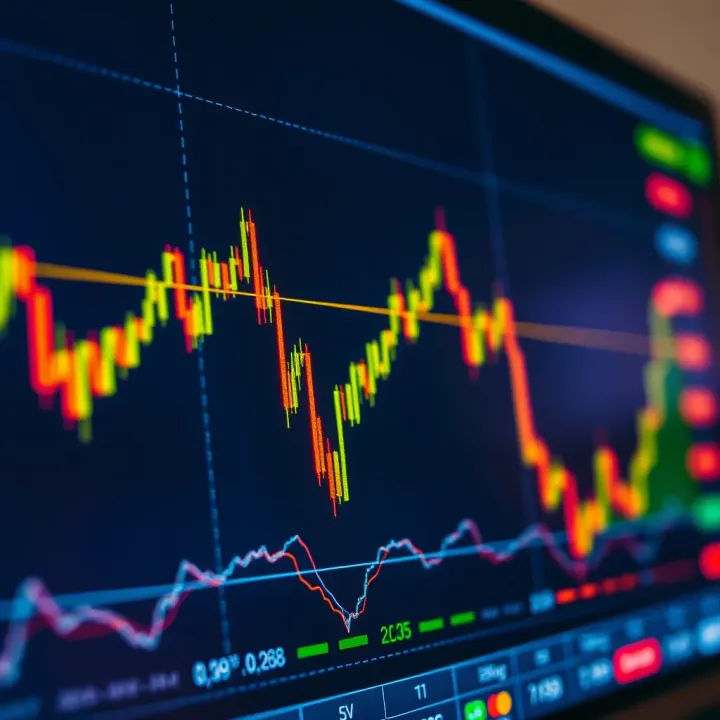
📈 Learn how forex trading works for Nigerian investors 🇳🇬, including practical steps, risk tips, and navigating ₦ to maximise your profits in the forex market.

Discover why forex trading is a smart move for Nigerian investors 🇳🇬. Benefit from flexible hours, easy market access, and real profit chances 📈💰.
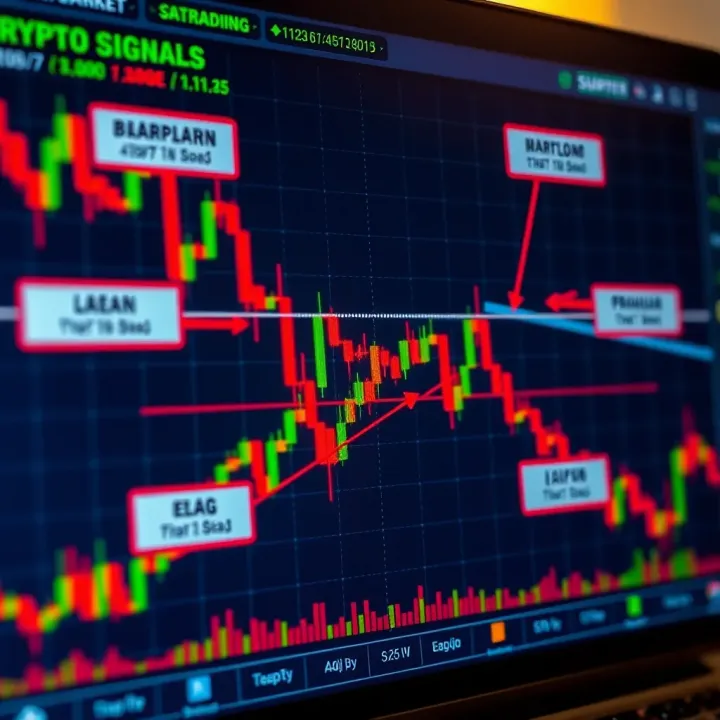
🤑 Learn how to read and use crypto trading signals to boost your trades in Nigeria. Discover key sources, tools, risks, and tips to profit in the market wisely.
Based on 14 reviews