
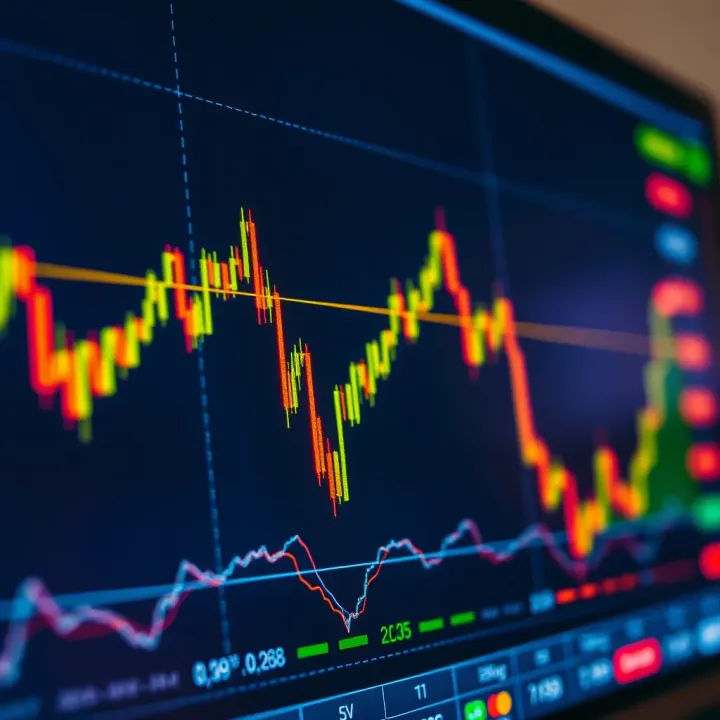
How Forex Trading Works for Nigerian Investors
📈 Learn how forex trading works for Nigerian investors 🇳🇬, including practical steps, risk tips, and navigating ₦ to maximise your profits in the forex market.
Edited By
Emily Carter
Crypto trading has become increasingly popular among Nigerians looking to diversify investments beyond traditional avenues like stocks or real estate. At its core, crypto trading involves buying and selling digital currencies such as Bitcoin, Ethereum, or Binance Coin with the aim of making a profit from price movements.
Understanding cryptocurrencies is the first step. These are digital assets operating on blockchain technology, which ensures transparency and security without a central authority. Unlike naira or dollars, cryptocurrencies exist solely in digital form and can be traded on various online platforms.

Nigerian investors typically use crypto exchanges like Binance, Luno, or local platforms such as Quidax and BuyCoins. These exchanges act like marketplaces where buyers and sellers meet. To start trading, you create an account, verify your identity using documents like your National Identification Number (NIN) or Bank Verification Number (BVN), then fund your wallet with naira or other crypto.
Be warned: Crypto trading is volatile. Prices can swing sharply in minutes. You should only trade funds you can afford to lose, especially in ember months when market instability could spike.
Here are some practical points to help you understand how trading works:
Spot trading: You buy crypto at the current market price to hold or sell later.
Margin trading: You borrow funds to increase your trading power, but risks are higher.
Order types: Market orders buy or sell instantly; limit orders execute when a price you set is reached.
Platforms often provide charts and tools to analyse market trends and decide when to enter or exit trades. Many Nigerians also use strategies like "Hodling" (holding long-term) or short-term trading depending on their risk appetite.
In Nigeria, challenges like naira volatility and occasional restrictions on crypto payments demand vigilance. Still, growing fintech support and clearer regulations are making crypto trading more accessible and safer.
This guide will walk you through the core concepts, strategies, and precautions so you can trade crypto confidently in the Nigerian market.
Grasping the basics of cryptocurrency and the market is essential for Nigerian investors before diving into crypto trading. Without a clear understanding, you risk making costly mistakes or falling prey to scams that have become frequent in this space. Knowing what crypto is, how it functions, and how it differs from traditional finance helps you make informed decisions, especially in Nigeria's unique economic landscape.
Cryptocurrency is a type of digital money secured by cryptography, which makes it extremely difficult to counterfeit. Unlike naira or dollar, cryptocurrencies like Bitcoin or Ethereum exist only online, with no physical coins or notes. Its key features include decentralisation, transparency, and immutability—meaning transactions are recorded permanently and openly on a ledger that no single authority controls.
In Nigeria, Bitcoin remains the most popular cryptocurrency, used widely for trading and remittances. Ethereum also gains attention due to its smart contract capabilities, useful for decentralised finance (DeFi) projects growing here. Stablecoins like USDT provide a safer harbour from naira’s volatility, offering fixed value pegged to the US dollar. These coins are practical for Nigerians wanting to hedge against inflation or make cross-border payments with lower fees.
Crypto trading operates on a decentralised network of computers rather than relying on banks or governments. This means no single party can manipulate or shut down the system easily, a trait that appeals especially to Nigerians concerned about banking restrictions or currency devaluation. However, it also means less consumer protection, so you must personally handle your security.
Unlike the Nigerian Stock Exchange (NGX), crypto markets run 24/7 without closing, allowing trading at any hour convenient for you. That flexibility is a big plus but comes with more volatility—crypto prices can swing wildly within minutes due to market sentiment or global events. For example, a tweet or news report can cause sudden price jumps or drops, affecting your investments quickly.
Blockchain is the underlying technology of cryptocurrencies. Imagine a shared ledger where every transaction is recorded in blocks linked in chronological order. Once added, these blocks cannot be altered without consensus from the network. This setup eliminates the need for a middleman, lowering costs and speeding up transactions compared to traditional banking.
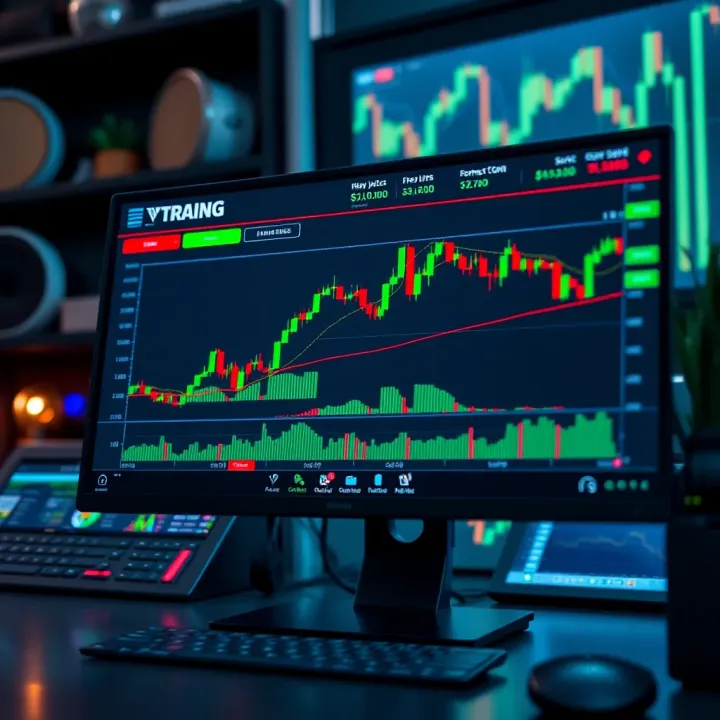
Blockchain’s transparency and security are vital for safe crypto trading. Since every trade is verified and recorded publicly, it’s nearly impossible to forge or double-spend coins. For Nigerian traders, this reduces risks common in cash-based dealings. Still, while blockchain protects the system, individual users must secure their wallets carefully to avoid hacks or loss.
Understanding these foundational concepts gives Nigerian investors a better chance to navigate crypto trading smartly and protect their capital amid the market’s unpredictability.
Starting crypto trading in Nigeria requires a solid foundation. Knowing where to trade, how to secure your assets, and funding your account are the first essential steps toward becoming a confident trader. Without clear guidance on these basics, even seasoned investors can slip and lose their money, especially with the unique challenges Nigerian traders face.
Local exchanges like BuyCoins and Bundle offer the advantage of naira funding and quick withdrawals, which suits Nigerian traders who want convenience and direct access. However, international exchanges such as Binance and Coinbase provide a wider range of cryptocurrencies and advanced tools but may involve currency conversion hassles and longer withdrawal times. Carefully weigh these aspects to decide which fits your trading style.
Security and regulatory standing are also critical. Due to the CBN's cautious stance on cryptocurrencies, some exchanges operate in a grey area within Nigeria. Choose exchanges that comply with Nigerian regulations, use strong encryption, and have a good reputation. For example, platforms that require Know Your Customer (KYC) verification help reduce fraud while protecting users' funds.
Digital wallets store your crypto assets securely. There are two main types: hot wallets and cold wallets. Hot wallets stay connected to the internet, making them easier for day traders or those frequently buying and selling crypto. Examples include Trust Wallet or Binance Wallet. On the flip side, cold wallets like hardware devices store your crypto offline, offering better protection from hacks but less convenience for quick trades.
To safeguard your wallet, always back up your recovery phrases and keep them offline—never share these details online or via messaging apps. Additionally, use two-factor authentication where possible and regularly update your wallet software. These simple steps help prevent unauthorized access, especially important in an environment where scammers can be very active.
Nigerian traders commonly fund crypto accounts through bank transfers, USSD codes, and third-party payment apps like Flutterwave and Paystack, which allow seamless naira transactions. Some exchanges also accept deposits via OPay and PalmPay wallets, making it easier to fund your trading without forex issues.
Knowing how to place orders can help you preserve capital and improve returns. Market orders execute immediately at the current price, useful when you want instant trades. Limit orders let you set the exact price to buy or sell, helping you avoid paying too much or selling too low. Stop orders automatically trigger sales when prices fall to a set point, protecting your funds from heavy losses.
Selecting the right exchange, securing your wallet, and smartly funding and ordering are the pillars that support your crypto journey in Nigeria. Getting these right makes trading less stressful and more profitable.
Effective trading strategies are at the heart of successful crypto trading. Nigerian investors who understand and apply various techniques stand a better chance of navigating the rapid ups and downs typical in cryptocurrency markets. Crafting and adapting strategies based on market trends and risk appetite allows you to protect your funds and maximise gains.
Technical analysis involves studying past market data, primarily price and volume, to predict future movements. For Nigerian traders, grasping this skill helps in spotting entry and exit points rather than relying on guesswork. Reading charts, such as candlestick patterns, can reveal whether a cryptocurrency is likely to rise or fall soon.
Common indicators like the Relative Strength Index (RSI) or Moving Averages smooth out price data to signal when an asset is overbought or oversold. For example, an RSI above 70 usually suggests a coin is overbought and may drop, while below 30 indicates potential undervaluation. Using these indicators, traders can decide when to buy or sell without going by emotions alone.
Day trading involves buying and selling crypto within short periods—minutes to hours—to capitalise on small price fluctuations. Swing trading holds positions for days or weeks, aiming at benefiting from broader price swings. Both approaches need discipline: day trading requires quick decisions and close monitoring, while swing trading demands patience and an eye on market shifts.
On the other hand, holding crypto assets for investment, often called "HODLing," suits investors who believe in long-term growth rather than short-term profits. For Nigerians, this strategy might mean buying Bitcoin or Ethereum and holding through market dips, expecting substantial gains over years. This method reduces stress and transaction costs but requires confidence in the crypto's future.
Setting stop-loss limits is a vital risk control technique. It means automatically selling your cryptocurrency once its price falls to a certain level. For example, if you bought Bitcoin at ₦3 million and set a stop-loss at ₦2.7 million, your position would sell to limit losses if the price drops. This helps prevent heavy losses during volatile market swings common in Nigerian trading.
Diversifying your portfolio involves spreading investments across various cryptocurrencies rather than putting all your money into one. Beyond Bitcoin and Ethereum, consider altcoins like Cardano or Binance Coin with different risk profiles. Diversification helps reduce the impact of one coin’s poor performance on your total investment, a practical shield in the unpredictable crypto space.
Mastering these trading strategies and techniques enhances your ability to trade cryptos confidently, especially amid Nigeria’s dynamic market environment. Adapting to trends, understanding risks, and choosing the right approach protect your capital and improve chances of profit.
Investing in cryptocurrency in Nigeria carries unique challenges and risks that every trader must understand. These issues can impact your trading strategy and overall profit margins. Knowing what to expect helps you prepare better and avoid costly mistakes.
Nigeria’s crypto regulations remain quite unsettled. While the Central Bank of Nigeria (CBN) imposed a strict ban on banks facilitating crypto transactions in 2021, many Nigerians continue to trade through fintech platforms and decentralized exchanges. This grey area means traders face uncertainty over the legality and future of crypto trading in Nigeria.
Government policies significantly influence how Nigerian investors can access crypto markets. For instance, banking restrictions force many to rely on peer-to-peer (P2P) platforms to buy and sell cryptocurrency. This not only raises transaction costs but also exposes traders to additional risks like fraud or delays in fund transfers. Traders should stay updated on announcements from the CBN and Securities and Exchange Commission (SEC) Nigeria to adjust their strategies promptly.
Crypto scams are rampant in Nigeria, with fraudsters exploiting the excitement around crypto gains. Common scams include fake investment schemes promising high returns, Ponzi schemes, and counterfeit exchanges. For example, some dubious social media promotions lure investors into sending ₦50,000 or more upfront with promises of doubling their money quickly.
To avoid these threats, always verify the legitimacy of exchanges and investment platforms. Look out for common red flags such as unverifiable contact information, unrealistic return claims, and pressure to invest quickly. Securing your digital wallet with strong passwords, two-factor authentication, and keeping your private keys offline are practical steps to safeguard your assets.
Cryptocurrency prices fluctuate wildly, often within hours. The Nigerian market especially feels the impact due to smaller volumes and limited liquidity on local platforms. A sudden drop in Bitcoin or Ethereum prices can wipe out a trader’s capital in a matter of days.
Emotional decision-making under such market swings worsens losses. Panicking to sell during a dip or greedily chasing hype can undo sound investment plans. Developing discipline around stop-loss orders and setting clear profit targets is essential. Also, diversifying across multiple crypto assets rather than putting all your savings into one coin helps cushion against unexpected market shocks.
Remember, understanding these risks and challenges is not about discouragement but about trading smarter and protecting your investments in Nigeria’s evolving crypto landscape.
This knowledge arms Nigerian crypto traders with practical insight to navigate the complex market safely and confidently.
Navigating crypto trading in Nigeria calls for more than just understanding the market; practical tips can spell the difference between steady profits and costly mistakes. Since the Nigerian crypto space is fast-paced and sometimes unpredictable, traders must stay sharp with reliable information, tools, and a sound plan. These tips help you keep your footing in a volatile market and protect your investment from local challenges like regulatory shifts and security risks.
The crypto market changes rapidly, often influenced by global events, regulatory announcements, and technological developments. Nigerian traders benefit by following trusted sources like Nairametrics, TechCabal, and international platforms such as CoinDesk or Binance Research. These sources provide timely updates on regulatory policies from the Central Bank of Nigeria (CBN) or SEC Nigeria, alerting you to changes that could affect your trades.
Social media and dedicated apps play a practical role in tracking trends. Platforms like Twitter have vibrant crypto communities where news and opinions flow freely, but it’s important to verify information carefully. Apps like CoinMarketCap and Binance offer real-time price alerts and market analysis tools, helping you spot opportunities or risks as they unfold. For example, using an app to set price alerts on Bitcoin or Ethereum can prevent you from missing a good buy or sell moment during volatile periods.
Using quality charts and trading platforms is essential. Platforms popular among Nigerian traders include Binance, Luno, and Quidax, offering interfaces tailored to the local market with options to trade in ₦. These platforms provide user-friendly charts with key indicators like the Relative Strength Index (RSI) and Moving Averages, helping you make informed decisions.
Automated trading bots also play a growing role, especially for those who cannot monitor the market all day. Bots like 3Commas or CryptoHopper can execute trades automatically based on predefined strategies. While bots can sharpen your trading efficiency, Nigerian traders must carefully monitor them to avoid losses from sudden market crashes or scams disguised as automated systems.
Clear goals and limits keep your trading on track. Decide in advance how much of your capital you’re willing to risk — for example, setting a maximum daily loss limit of 5%. This discipline prevents rash decisions when prices swing wildly. Also, determine profit targets and acceptable periods for holding assets; whether you’re aiming for quick gains via swing trading or planning to hold for months.
Learning from past trades and adapting your strategy is vital in Nigeria's crypto environment. Keep records of your trades, noting what worked and what didn’t. For instance, if you notice repeated losses on certain altcoins, adjust your portfolio accordingly. Remember, the market is ever-changing, so flexibility and continuous learning help you stay competitive and avoid pitfalls.
Staying updated and disciplined with tools and plans can significantly improve your chances of success, especially given Nigeria’s unique crypto challenges.
By integrating these practical tips, Nigerian crypto traders build a solid foundation to deal with the market’s twists and turns while protecting their capital and sharpening their skills.
📈 Learn how forex trading works for Nigerian investors 🇳🇬, including practical steps, risk tips, and navigating ₦ to maximise your profits in the forex market.

Explore how forex trading opens global currency markets to Nigerian investors 📈 with flexibility, high liquidity, and portfolio diversification for smarter wealth growth 💰

Discover why forex trading is a smart move for Nigerian investors 🇳🇬. Benefit from flexible hours, easy market access, and real profit chances 📈💰.
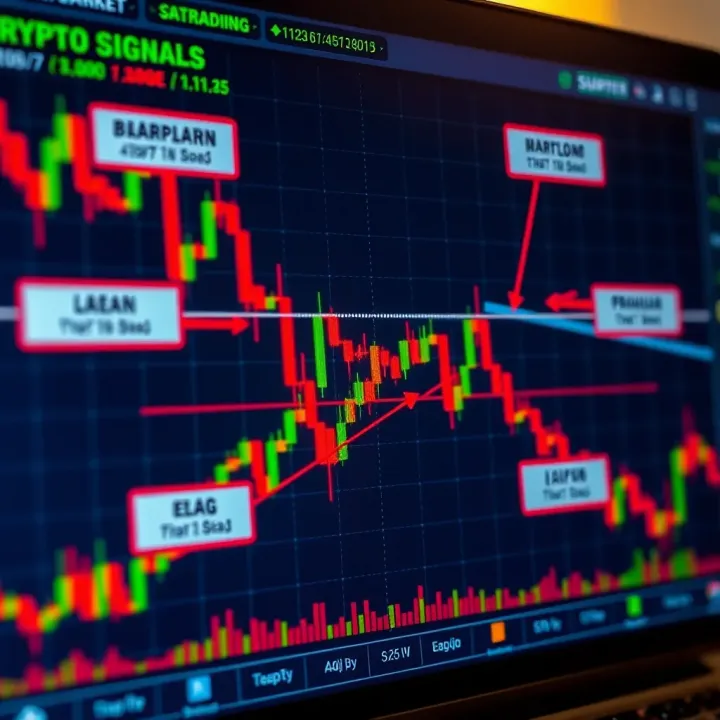
🤑 Learn how to read and use crypto trading signals to boost your trades in Nigeria. Discover key sources, tools, risks, and tips to profit in the market wisely.
Based on 6 reviews