
How to Learn Forex Trading: Guide for Nigerian Beginners
📈 Discover how Nigerian traders can master forex trading with tools, risk management, and practical tips. Start your trading journey confidently today! 💹
Edited By
Sophie Williams
Forex trading has attracted many Nigerians keen on tapping into global currency markets. But before you jump in, it’s essential to understand how forex works and what to expect, especially given our unique market dynamics like the naira’s volatility and local financial infrastructure.
At its core, forex trading involves buying and selling currencies against each other — for instance, the naira (₦) against the US dollar (USD). Profit comes from predicting if a currency’s value will rise or fall. However, this market moves fast, and without proper knowledge, beginners can lose money quickly.
To get started, focus on these key points:
Understand the Market Basics: Forex operates 24 hours across different time zones, offering flexibility. The major currency pairs include USD/EUR, USD/GBP, and uniquely for Nigerian traders, USD/NGN, though the latter often faces liquidity and regulatory challenges.
Learn Analysis Techniques: Fundamental analysis involves tracking economic indicators like CBN policies, inflation rates, and political developments in Nigeria and abroad. Technical analysis uses charts and patterns to predict price movements. Both are needed to make informed decisions.
Risk Management is Vital: Always use stop-loss orders to limit potential losses. Because the naira can be unstable, position sizing must consider potential sudden swings. Never risk more than you can afford to lose.
Choose Reliable Brokers: Not all brokers cater well to Nigerians. Look for brokers regulated by global bodies like FCA or CySEC and that offer local deposit options via platforms like Paystack or Flutterwave.
With naira depreciation and occasional capital controls, Nigerian forex traders must be especially careful and informed. Combining local awareness with global trading strategies reduces the chances of costly mistakes.
Starting forex trading involves continuous learning and disciplined practice. Seek out Nigerian-focused forex communities and use demo accounts from reputable brokers to sharpen your skills before committing real money. Remember, forex trading is not a quick route to riches but a market where patience and knowledge pay off.
Understanding the basics of forex trading sets a strong foundation for anyone eager to enter Nigeria’s financial markets. Knowing what forex entails, how the market operates globally, and the key currency pairs involved helps make informed decisions, minimising costly mistakes. For Nigerian traders, recognising how local factors influence global currency movements is essential for practical success.
Forex trading, short for foreign exchange trading, is the buying and selling of currencies. It operates on pairs — for example, the Nigerian naira against the US dollar (NGN/USD). The value of one currency is quoted relative to another, showing how much one unit of the base currency costs in the counter currency. Practically, this means if you speculate that the USD will strengthen against the naira due to economic reports or policy changes, you might buy USD/NGN to profit from that movement.
The global forex market is the largest and most liquid financial market, running 24 hours a day across different time zones. It connects banks, corporations, central banks, and individual traders worldwide. Unlike stock markets that have fixed trading hours, forex never sleeps because of overlapping global sessions — from Asia through to Europe and the US. For Nigerian traders, this offers flexibility to trade at any convenient time, such as after work or during market-moving news about oil prices or CBN monetary policies.
Compared to other financial markets, forex differs mainly in scale, access, and trading mechanics. The forex market’s huge volume means it can absorb large trades without drastically affecting prices—that's unlike the Nigerian Stock Exchange, where large orders can move prices sharply. Besides, forex trading leverages high technology through platforms accessible via smartphones, which suits Nigeria’s growing digital economy. However, forex is more volatile and sensitive to quick shifts in global politics and economics than broad stock portfolios, making risk management critical.
In Nigeria, the most heavily traded currency pair involving the naira is NGN/USD, followed by NGN/EUR and NGN/GBP. These reflect Nigeria’s trade and foreign exchange inflows—especially petrol sales and remittances. Knowing these pairs helps traders focus on those with better liquidity and predictable patterns. For instance, when crude oil prices jump, the naira often strengthens versus the dollar, providing trading opportunities.
Currency values fluctuate based on factors like economic data, interest rates, inflation, and political stability. For example, a hike in Nigeria’s interest rates by the Central Bank of Nigeria (CBN) usually bolsters the naira because higher rates attract foreign investment. Conversely, political unrest or worsening trade deficits can weaken it. Understanding these drivers allows traders to anticipate price changes rather than react blindly.
Global events heavily influence forex rates. For example, a change in US Federal Reserve policy can ripple into NGN/USD rates because of Nigeria’s dollar dependence. Similarly, OPEC’s decisions on crude output impact Nigeria’s foreign exchange earnings, affecting the naira’s strength. Traders who keep an eye on such developments, plus regional influences like ECOWAS economic dynamics, can better time their trades and protect investments.
Grasping the forex basics with local context sharpens your trading edge, helping you navigate Nigeria’s unique economic environment with confidence and clarity.
Mastering the right tools and techniques is essential for anyone serious about forex trading in Nigeria. It's not just about guessing which currency will rise or fall, but applying systematic methods to understand market movements. These skills help traders make informed decisions, limit losses, and spot opportunities promptly. Let's explore the two main approaches: fundamental and technical analysis.
Economic indicators play a huge role in currency valuation. In Nigeria, factors such as inflation rates, GDP growth, unemployment figures, and trade balances heavily influence how the naira moves against other currencies. For example, a sudden spike in inflation could signal naira depreciation, prompting traders to adjust their positions. Keeping abreast of reports from the National Bureau of Statistics or updates on crude oil prices—the country’s key export—helps anticipate currency trends well ahead.
The Central Bank of Nigeria (CBN) also directly impacts forex markets. Policy decisions like changes to the Monetary Policy Rate (MPR), foreign exchange interventions, and regulations on currency access shape market sentiment and liquidity. When the CBN raises interest rates, naira-denominated assets often attract more investment, strengthening the currency temporarily. Monitoring CBN announcements can give traders early clues on the market’s direction.
Geopolitical events and market sentiment add another layer to fundamental analysis. Nigeria's political stability, elections, or conflicts in key oil-producing regions may cause sharp currency movements. Globally, things like trade wars or shifts in US monetary policy affect forex rates broadly. Traders who track news and gauge how market players feel—whether confident or cautious—can time their trades better and avoid unnecessary exposure.
Charts and price trends are the bread and butter of technical analysis. By examining historical price data through line, bar, or candlestick charts, traders identify patterns that hint at future moves. For instance, a steadily rising trendline on a USD/NGN chart suggests the dollar is gaining ground against the naira, signalling a buying opportunity if other factors align.
Several technical indicators help make sense of these charts. Popular ones include the Moving Average (MA), which smooths price data to reveal trends; the Relative Strength Index (RSI), measuring the speed and change of price movements to spot overbought or oversold conditions; and the Moving Average Convergence Divergence (MACD), which highlights momentum changes. Nigerian traders often use these tools on platforms like MetaTrader to time entries and exits with precision.
Support and resistance levels are key concepts to plan trades. Support is the price point where a currency pair tends to stop falling, as buyers come in, while resistance is where selling pressure halts upward moves. For example, if USD/NGN struggles repeatedly to rise above ₦460, that's a resistance level traders watch closely. Knowing these levels helps set effective stop-loss and take-profit orders, keeping risk in check and locking in gains.
Combining fundamental insights with technical tools offers a balanced approach suited to Nigeria's dynamic forex scene. While fundamentals explain why markets move, technicals show when and where to act.
In forex trading, managing risks is not just advisable—it is vital. Without a clear strategy to protect your funds, a single bad trade can wipe out your gains or worse. For Nigerian traders, balancing risk means understanding how to limit losses while allowing profits to grow. This approach brings discipline and keeps you trading over the long haul instead of burning out quickly.
Setting stop-loss and take-profit orders is a practical way to control your trade outcomes without constant monitoring. A stop-loss order automatically closes a trade if the price moves against you by a set amount, limiting your loss. Conversely, a take-profit order locks in gains once the price reaches your target. For example, if you buy a currency pair at ₦450 and you set a stop-loss at ₦440, your loss won’t exceed ₦10 per unit. This setup protects your capital during unpredictable swings.
Deciding how much capital to risk per trade protects your overall portfolio from heavy losses. Many experienced traders risk just one to two per cent of their account on any single trade. For example, if your trading capital is ₦100,000, you should risk no more than ₦1,000–₦2,000 on one position. This strategy means that even a series of losing trades won’t drain your entire balance, allowing you to recover over time.
Emotions can cloud judgment and lead to costly mistakes in forex trading. Fear and greed often push traders to overtrade or hold onto losing positions hoping for a turnaround. Nigerian traders can fall into these traps especially when faced with naira volatility and fast market moves. The best way to avoid emotional pitfalls is to stick to your trading plan, use stop-loss orders, and keep a trading journal to review decisions objectively.
The naira’s frequent fluctuations directly impact forex trading profit and loss. Since many Nigerian traders use naira-denominated accounts, exchange rate swings can affect the actual value received when converting profits back to naira. For instance, if you gained $100 and the naira weakens, your profit in naira terms increases. But if the naira strengthens unexpectedly, your naira profit shrinks. Traders must factor this volatility into trade sizing and profit targets.
Power outages and transaction costs form practical hurdles for Nigerian forex traders. Frequent power supply interruptions disrupt online trading or cause missed opportunities, while the reliance on generators inflates running costs. Transaction fees charged by banks and payment providers also cut into profits. It’s wise to plan trades during reliable power hours and use cost-effective payment channels to minimise overhead.
Local fintech platforms like OPay, Paystack, and PalmPay offer relatively smooth transaction experiences compared to traditional banks. They provide faster deposit and withdrawal processes, essential for managing cash flow efficiently. By using trusted Nigerian fintech services, traders reduce delays and errors that could affect timely execution of trades.
Protecting your investment requires both technical measures like stop-loss and practical awareness of local market realities, especially naira volatility and power supply challenges.
Proper risk management keeps your trading journey sustainable and keeps your funds intact despite inevitable market ups and downs.
Starting forex trading in Nigeria requires more than just theoretical knowledge. Practical steps guide you through choosing a reliable broker, understanding local market quirks, and developing skills before committing real money. These actions help avoid common pitfalls, especially given Nigeria’s unique financial environment where naira volatility and fintech options play a big role.
The Central Bank of Nigeria (CBN) does not directly regulate forex brokers, so traders must be careful in selecting brokers registered with respected international bodies like the Financial Conduct Authority (FCA) or the Cyprus Securities and Exchange Commission (CySEC). Picking a credible broker who holds proper licences ensures your funds are safer and trading conditions are transparent. For instance, a broker with a solid reputation is less likely to have hidden charges or questionable trade execution practices.
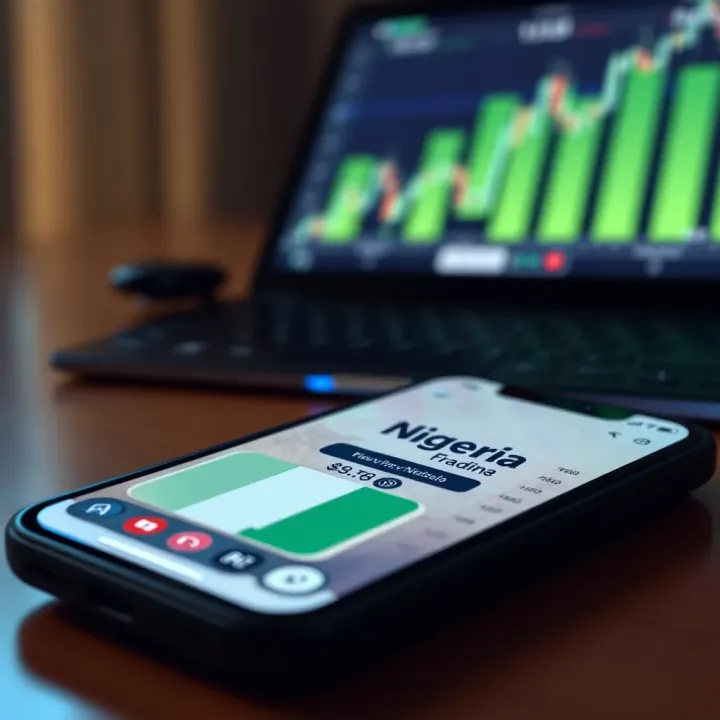
Most Nigerian traders prefer platforms like MetaTrader 4 (MT4), MetaTrader 5 (MT5), and cTrader because they offer user-friendly interfaces and reliable tools for charting and technical analysis. Local demand also favours mobile-friendly platforms since many traders work via smartphones due to inconsistent power supply and internet access. Choosing a broker offering well-optimised platforms can make the trading experience smoother and more productive.
Trading costs vary significantly between brokers, and spread widths directly affect profitability. In Nigeria, it’s wise to compare spreads on popular pairs involving the naira or USD before committing. Also, deposit options matter; brokers accepting payments via local banks or fintech services like OPay or Paystack reduce delays and extra charges. For example, if a broker supports instant naira deposits through these platforms, it helps you enter trades quickly without losing out to market swings while waiting for funds to clear.
Demo accounts offer risk-free environments where you can experiment with trading strategies and familiarise yourself with platform features. Many Nigerian beginners start with these accounts to understand price movements without financial pressure. Since forex markets move fast, demo practice helps build quick decision-making skills. It’s like learning to ride an okada in an empty car park before navigating Lagos traffic.
While global forex tutorials abound, Nigerian traders benefit from resources that discuss local economic conditions, CBN policies, and naira dynamics. Organisations such as the NSE Academy or fintech companies like Flutterwave sometimes offer webinars and articles tailored for the Nigerian context. This localised knowledge helps you interpret market signals more accurately and avoid mistakes others make due to unfamiliarity with Nigeria's forex environment.
Participating in active Nigerian trading groups on platforms like Telegram, WhatsApp, or trade forums provides practical insights and moral support. Experienced traders often share real-time tips or warn about scams that target novices. Beyond learning, these communities foster discipline and accountability, which are crucial because emotional control is equally important as technical skills in trading.
Taking these practical steps can save you from costly errors and build a strong foundation. From selecting trusted brokers to practising on demo accounts and tapping into local knowledge and support, they prepare you to trade forex in Nigeria more confidently and effectively.
📈 Discover how Nigerian traders can master forex trading with tools, risk management, and practical tips. Start your trading journey confidently today! 💹
Learn forex trading in Nigeria 🇳🇬: Understand how the market works, risks & rewards, Nigerian platforms, regulatory tips, and how to trade smartly with ₦ today.
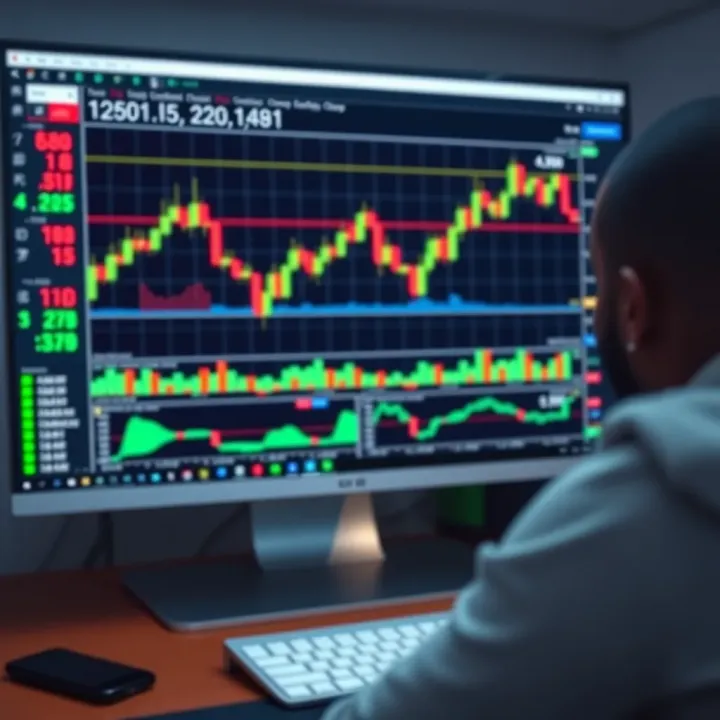
📈 Ready to trade forex in Nigeria? Learn how to pick brokers, set up accounts, manage risk, and avoid common mistakes. Build your trading skills today! ₦
📈 Ready to start forex trading in Nigeria? Learn how to pick brokers, open accounts, understand key terms, apply winning strategies, and manage risks with confidence.
Based on 11 reviews