
How to Learn Forex Trading: Guide for Nigerian Beginners
📈 Discover how Nigerian traders can master forex trading with tools, risk management, and practical tips. Start your trading journey confidently today! 💹
Edited By
Amelia Wright
Forex trading has become a popular way for Nigerians to earn extra income and diversify investment portfolios. With the rise of online platforms, learning forex trading has never been more accessible. However, navigating the forex market requires more than just luck—it demands understanding market dynamics, using the right tools, and practising smart risk management.
Many Nigerians are drawn to forex due to its potential for good returns on relatively small capital. Platforms like MetaTrader 4 and MetaTrader 5 offer user-friendly interfaces suited for beginners and pros alike. Yet, before diving in, grasping the basics such as currency pairs, pips, and leverage is essential.
Forex trading can be rewarding, but jumping in without proper knowledge or safeguards increases the risk of losing money.
To start effectively, Nigerians should focus on:
Learning from trusted online forex academies and Nigerian fintech EduTech platforms
Using demo accounts to practice without risking real money
Understanding how to read forex charts and economic indicators relevant to global markets
Knowing popular currency pairs, especially those involving the US dollar (USD), Euro (EUR), and Nigerian Naira (NGN)
Several credible sources offer courses tailored for Nigerian traders, such as Babypips and Investopedia, which break down complex concepts into manageable steps.
In addition, understanding how to avoid scams that exploit the booming forex interest in Nigeria is crucial. Beware of promoters promising quick riches with little effort. Always verify broker licences—reputable brokers are usually regulated by financial authorities like the UK Financial Conduct Authority (FCA) or the Nigerian Securities and Exchange Commission (SEC).
Starting with small investments and gradually increasing exposure as skills improve can reduce risk. Forex trading is not a shortcut to wealth; it is a skill that requires patience and continuous learning.
This guide aims to steer you through the fundamentals, recommend practical tools, and help you avoid common pitfalls, so you can build confidence and trade safely in Nigeria’s growing forex market.
Understanding forex trading is essential for anyone serious about stepping into this market. Forex, short for foreign exchange, involves buying and selling currencies with the aim to profit from fluctuations in exchange rates. It's not just a game for big international investors; even individuals in Nigeria can join in through online platforms.
Forex trading is the act of exchanging one currency for another, like swapping the US dollar for the Euro, hoping that you can later reverse the trade at a better rate. Unlike traditional stock trading, forex operates 24 hours a day, Monday to Friday, meaning Nigerians can trade at convenient times, even outside normal banking hours.
Simply put, it’s about predicting how one currency will move against another in order to buy low and sell high. For example, if you believe the euro will strengthen against the dollar, you’d buy EUR/USD. If it does strengthen, you make a profit from that movement.
Currencies are always traded in pairs: for instance, USD/NGN or EUR/USD. The first currency, called the base currency, is what you buy or sell relative to the second, the quote currency. If the pair goes up, the base currency is gaining strength against the quote.
In Nigeria, this matters especially because of the naira’s volatility. A trader watching USD/NGN could profit by buying dollars when naira weakens and selling when it recovers. Understanding these pairs helps you spot opportunities based on real market conditions.
The naira has faced ups and downs due to inflation, fuel subsidy removal, and economic pressures. Many Nigerians turn to forex trading as an alternative income source. Since forex trading involves currencies from across the world, traders can tap into more stable or even appreciating currencies compared to the naira.
For example, during periods when the naira slows down or falls, profits made trading major currency pairs like EUR/USD or GBP/USD can provide extra naira income when converted back, cushioning the effects of local inflation.
Thanks to widespread smartphone use and affordable data plans, many Nigerians can access forex trading platforms like MetaTrader 4 or apps from local brokers such as ARM Securities or FXTM Nigeria. This convenience means you don’t need a physical office or large capital—just internet connectivity and a device.
Many traders start with as little as ₦10,000 on demo accounts before moving to live trading. The ability to trade from anywhere, even during a Lagos traffic jam or from a mama put roadside, has made forex attractive.
Forex trading carries risks, especially when leverage is involved. Nigerian traders often get tempted to use high leverage to amplify potential gains, but this also magnifies losses. With naira’s instability, sudden spikes in exchange rates can lead to unexpected outcomes.
That said, disciplined traders who set stop-loss orders and avoid emotional decisions tend to manage risks well. It's vital to approach the market with realistic expectations, knowing forex can supplement income but is not a guaranteed path to quick riches.
Sound knowledge of forex basics and Nigerian market realities helps traders make smarter decisions, safeguard their investment, and tap genuine opportunities.
Understanding key concepts and developing relevant skills is the foundation of successful forex trading. For Nigerians, grasping these essentials helps navigate the complexities of currency markets, especially amid naira fluctuations and a dynamic economic environment.
Pips, lots, leverage, and margin are basic building blocks in forex trading. A pip (percentage in point) is the smallest price movement, often the fourth decimal place for most currency pairs. For example, if USD/NGN moves from 460.0000 to 460.0100, that's a 1 pip increase. Lots refer to trade size; a standard lot equals 100,000 units of the base currency. But Nigerians often start with mini or micro lots because of smaller capital. Leverage allows you to control a larger position with a smaller deposit (margin). For instance, a leverage of 100:1 means with ₦10,000, you can trade ₦1,000,000 worth of currency. However, while leverage boosts profit potential, it also increases risk, so managing it carefully is vital.
The spread and bid/ask price directly impact your trading costs. The bid price is what buyers pay, and the ask price is the seller's price. The difference between these is the spread, usually measured in pips. For instance, if EUR/USD has a bid of 1.1200 and ask of 1.1202, the spread is 2 pips. Lower spreads reduce trading costs, especially important for Nigerians trading frequently or with small amounts.
Technical analysis basics involve studying price charts and patterns to predict future movements. Common tools include moving averages, support and resistance lines, and candlestick patterns. For example, spotting a ‘head and shoulders’ pattern could signal a trend reversal, helping traders decide when to buy or sell. Technical analysis suits Nigerians who prefer data-driven decisions, especially when news flow is erratic.
Fundamental analysis essentials focus on economic indicators and news events that affect currencies. Key data like Nigeria’s inflation rate, interest rate changes by the Central Bank of Nigeria (CBN), or crude oil prices impact the naira's strength. A trader who monitors these can anticipate currency moves tied to economic shifts, avoiding surprises during ember months when market vigour spikes.
Setting stop-loss orders helps cap potential losses. A stop-loss automatically closes a trade when the price hits a certain level. For example, if you buy USD/NGN at 460 and set a stop-loss at 455, your position closes if it falls to 455, protecting you from further loss.
Managing leverage wisely is crucial. While high leverage can amplify returns, it can wipe out your capital equally fast. Many brokers offer leverage up to 500:1, but starting with lower levels like 10:1 or 20:1 reduces exposure. Nigerian traders should consider their risk appetite carefully rather than chasing large, risky returns.
Avoiding emotional trading prevents poor decisions. It’s easy to be swayed by greed or fear, especially during volatile sessions influenced by local economic news or global events. Sticking to a trading plan and avoiding rash moves after losses or wins helps maintain discipline and long-term profitability.
A steady trader who understands these fundamentals and manages risk properly increases chances of lasting success in forex, even amidst Nigeria's challenging economic climate.
By mastering these concepts and skills, Nigerian traders can trade forex more confidently and practically, reducing guesswork and avoiding common traps in the currency market.
Navigating the forex market demands more than just enthusiasm; it requires solid education from dependable sources. Finding reliable online learning resources helps you build a strong foundation, avoid common mistakes, and develop strategies tailored to Nigeria’s unique economic conditions. Given the flood of unverified content online, knowing where to learn from can save you time, money, and frustration.
When selecting forex education platforms, scrutinise the courses and trainers closely. A quality course breaks down complex concepts into simple steps and offers practical examples relevant to Nigerian traders. Trainers with proven track records, ideally with verified trading experience or credentials, provide deeper insights rather than generic theory. For instance, a course featuring trainers who understand how the naira behaves against the dollar or how fuel price hikes affect market sentiment will be more useful.
Checking reviews and certifications is crucial before committing to any course. Genuine student feedback can reveal if the platform offers consistent support and real value. Certifications from recognised bodies or reputable fintech organisations add credibility. Unlike flashy promises from unknown sources, properly certified platforms typically maintain standards, ensuring what you learn aligns with actual trading realities.
YouTube channels have become popular learning hubs, especially in Nigeria, where many traders balance learning with other commitments. Channels like FXTraderNG and Nigeria Forex Mind provide free tutorials, live trade analyses, and updates on market trends relevant to Nigerian conditions. These platforms offer beginner-friendly content that helps grasp fundamental concepts without immediate financial commitment.
Forex forums and communities provide an interactive way to learn through experience sharing and discussions. Platforms like BabyPips and Reddit’s forex groups contain vast knowledge shared by traders worldwide, including many Nigerians. Engaging actively in these communities exposes you to different viewpoints, trading strategies, and real-time problem-solving which textbooks alone cannot offer.
Paid courses and mentorship programmes, though requiring investment, often provide structured learning with personal guidance. Mentors help tailor strategies to your risk tolerance and market understanding while offering accountability. For example, paying ₦50,000 to ₦150,000 for a mentorship programme from a reputable Nigerian trader might speed up your learning curve and sharpen your decision-making in volatile markets.
Choosing trustworthy learning resources is the backbone of successful forex trading. Your education influences how well you manage risks and spot genuine opportunities amid the noise.
In summary, blend free resources to build knowledge and consider paid options for depth and mentorship. Always prioritise platforms known for quality and fit for Nigerian traders to ensure your forex journey starts on solid ground.
Starting forex trading online requires more than just knowing the theory; practical steps help translate knowledge into action. In Nigeria's fast-evolving market, correctly setting up your trading account, practising with demo accounts, and cautiously making your first live trade are vital to avoid unnecessary losses and grasp the realities of the forex world.
Choosing a trustworthy broker is a critical first step. Many Nigerians fall into the trap of relying on brokers with flashy websites but poor regulation or customer service. Opt for brokers regulated by credible bodies like the Nigerian Securities and Exchange Commission (SEC) or international authorities such as the Financial Conduct Authority (FCA). For example, reputable brokers like FXTM and IC Markets have solid track records and support local payment methods, making deposits and withdrawals smoother.
Next is the account verification phase, which ensures compliance with anti-money laundering (AML) rules and protects you from fraud. You'll typically need to submit a valid form of identification such as your National Identification Number (NIN) card or international passport, proof of address like a recent utility bill, and sometimes a selfie to confirm identity. Verifying your account can take a few days, but this process safeguards both your funds and your trading activity.
Demo accounts are essential before you put real money on the line. They provide a risk-free environment to familiarise yourself with the trading platform, understand order types, and experience market conditions without financial pressure. For instance, practicing on demo accounts available from brokers like HotForex or IG Nigeria can help you get used to placing trades and managing stop-loss orders.
Additionally, practise trading strategies using demo accounts to test your hypotheses and adjust tactics. You might try momentum trading during high-impact news releases or range trading during quieter market times. Keep a trading journal even when on demo to analyse what works and what doesn’t. This disciplined approach builds the skills and confidence necessary for live trading.
When you finally move to live trading, start small to manage risk effectively. Many beginners lose heavily by staking large amounts due to excitement or overconfidence. Begin with minimal lots (for example, micro lots of 0.01) and limited capital – maybe ₦10,000 or less – so you limit exposure while learning.
Tracking your performance is a practical way to improve. After each trade, record details like entry and exit points, reasons for trade, and the result. Reviewing these notes helps you identify repeated mistakes such as overtrading or ignoring stop-loss rules. Learning from mistakes, rather than ignoring them, sets you apart and makes you a better trader over time.
Practical trading is a process: set up right, practise smart, and trade cautiously. That's the foundation to grow your forex skills safely in Nigeria’s unique market environment.
Navigating the forex market without falling prey to scams or poor trading habits is vital for every Nigerian trader. Many who jump into forex trading get trapped by fraudulent brokers or sabotage their progress by emotional errors. This section highlights how to spot these dangers and manage risks effectively, ensuring your trading journey stays on a safe and profitable path.
One key way scammers lure traders is through brokers promising guaranteed returns or unusually high profits with little effort. In Nigeria, some fraudsters operate websites that look professional but lack proper regulation or licence from recognised bodies like the Securities and Exchange Commission (SEC) Nigeria. Another warning sign is pressure to deposit large sums quickly without adequate explanations or clear terms. Always check if the broker is registered and ask for reviews from established forex communities. For instance, a broker claiming to offer 50% monthly returns while requiring no risk disclosure is likely dodgy.
If you suspect a broker or forex platform is fraudulent, reporting helps protect others and possibly recover lost funds. You can report to Nigerian authorities such as the Economic and Financial Crimes Commission (EFCC), SEC Nigeria, or the Consumer Protection Council. These agencies rely on reports to tackle forex scam rings operating in Lagos, Abuja, and other cities. Keeping evidence such as transaction receipts and correspondence strengthens your case. Prompt reporting is crucial in a sector where scammers may quickly shut down websites or change identities.
Overtrading happens when traders, often driven by frustration or greed, open too many trades or increase positions beyond their comfort. This behaviour can wipe out capital quickly, especially with leverage common in forex markets. For example, a trader in Lagos using a 1:100 leverage might risk losing ₦20,000 within minutes if overexposed. It's better to stick with a clear plan and limit trades each day. Practicing discipline helps avoid burnout and keeps your investment tank from emptying prematurely.
Many new Nigerian traders expect to make quick, life-changing profits, but forex trading demands patience and steady growth. Accepting that losses will occur and profits come gradually helps you maintain a balanced perspective. For example, a monthly return of 5-10% is already qualitative in forex, considering market volatility. Traders with realistic goals tend to manage risks better, avoid impulsive decisions, and continue learning through ups and downs.
Staying alert to common pitfalls like scams and emotional trading mistakes is not just about avoiding losses; it also builds a foundation for longer-term success in Nigeria's forex market. Your awareness and discipline become the tools that protect your money while sharpening your skills.
📈 Discover how Nigerian traders can master forex trading with tools, risk management, and practical tips. Start your trading journey confidently today! 💹
Learn forex trading in Nigeria 🇳🇬: Understand how the market works, risks & rewards, Nigerian platforms, regulatory tips, and how to trade smartly with ₦ today.
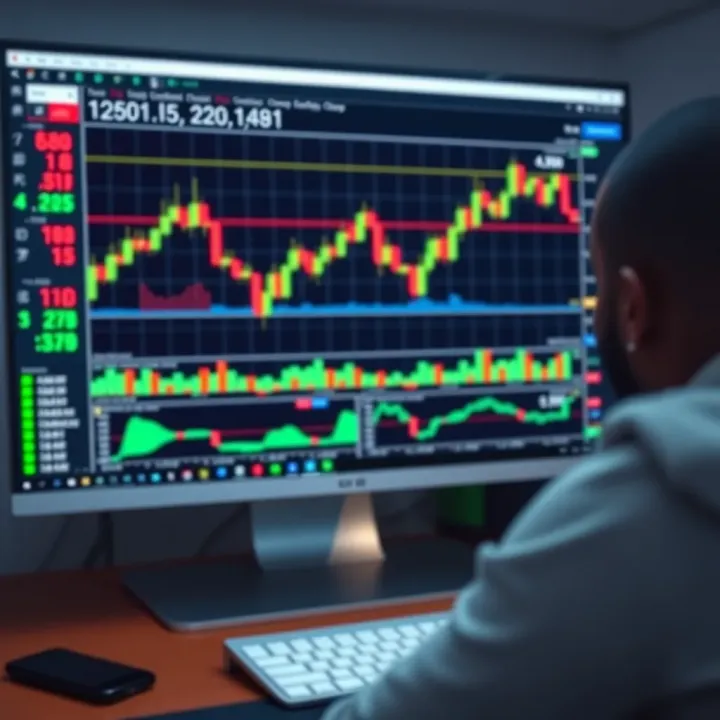
📈 Ready to trade forex in Nigeria? Learn how to pick brokers, set up accounts, manage risk, and avoid common mistakes. Build your trading skills today! ₦
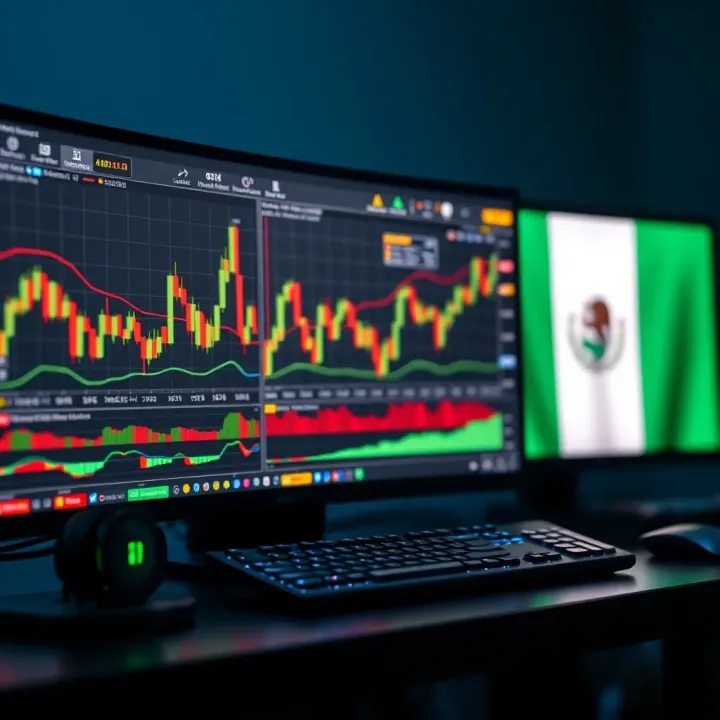
📈 Ready to start forex trading in Nigeria? Learn how to pick brokers, open accounts, understand key terms, apply winning strategies, and manage risks with confidence.
Based on 7 reviews