
How to Learn Forex Trading in Nigeria
Learn practical forex trading in Nigeria ₦ — understand market basics, master analysis, manage risk, and pick brokers while navigating naira swings and top fintech tools 📈💹
Edited By
Olivia Hughes
Forex trading in Nigeria has become a popular way for many to try and earn extra income, yet the question remains: how profitable can it actually be here? The foreign exchange market is the largest financial market globally, with daily trading volumes reaching trillions of dollars. In Nigeria, the attractiveness lies in the 24-hour availability and access to global currencies via platforms like MT4 and MT5.
But Nigeria's unique economic factors strongly influence earnings from forex trading. For example, the naira’s volatility against the dollar and other major currencies creates frequent opportunities for profit — yet also raises risks. Traders must navigate fluctuating exchange rates, occasional forex bans or restrictions by the Central Bank of Nigeria (CBN), and challenges posed by unstable power and internet connectivity.
Successful forex trading here depends not only on understanding global market trends but also on managing local realities and regulatory changes.
Market Volatility: The naira’s unpredictable swings can provide both quick gains and steep losses. Traders adept at reading price movements have an edge.
Leverage Use: Nigerian brokers often offer leverage up to 1:500, increasing potential earnings — but also magnifying losses.
Trading Strategy: Consistent application of tested strategies, such as technical analysis or news-based trading during major economic releases, improves chances of profit.
Risk Management: Limiting exposure through stop-loss orders and cautious position sizing is vital, especially given frequent market shocks due to policy announcements or global events.
Consider a retail trader using ₦100,000 as capital with leverage at 1:100. A 1% favourable move in currency pairs like USD/NGN can translate into profit around ₦100,000, doubling the initial funds. Yet, without strict risk limits, a sudden 1% adverse move can wipe out the initial investment.
Back in 2022, a bout of naira devaluation following a CBN directive prompted high volatility. Traders who anticipated the moves secured substantial returns, while others suffered quick losses due to overexposure.
Ultimately, forex trading in Nigeria offers real profit potential, but it demands disciplined strategy, awareness of local market parameters, and readiness to handle risks. Understanding this balance helps traders avoid scams or quick losses and work towards sustainable earnings in the ₦-market.
Forex trading has become an accessible avenue for Nigerians aiming to grow their income through currency exchange markets. This section sets the stage by explaining the basic structure of forex markets and the specific instruments traders use, alongside the rapid growth of forex’s popularity within the country. Understanding these fundamentals is vital before diving into profitability aspects.
The forex market is where currencies are bought and sold against each other, such as the US dollar (USD) against the Nigerian naira (₦). Unlike a stock exchange, forex operates 24 hours a day, five days a week, which lets traders respond quickly to global news and economic events. Key trading instruments include currency pairs like EUR/USD or GBP/USD, as well as commodities and indices offered by some brokers.
For example, a trader in Lagos might speculate on the USD/NGN rate movement influenced by Central Bank of Nigeria (CBN) policies or petrol price changes. Leveraging tools like stop-loss orders helps mitigate sudden market shifts, crucial for managing risk in volatile Nigerian economic conditions. Understanding these instruments and their market behaviour is essential to navigating forex trading successfully.
Forex trading has expanded rapidly in Nigeria due to several factors. First, easy internet access and smartphone penetration have democratized market entry. Platforms such as MTN’s MoMo Agent or OPay offer convenient transaction gateways, making it simpler for traders across urban and semi-urban areas to participate.
Second, the appeal of forex lies in its potential for quick returns compared to traditional savings or fixed deposit accounts offered by Nigerian banks. Moreover, during periods of naira depreciation, forex trading sometimes becomes a hedge against currency risk for informed investors. This has attracted a range of participants, from young tech-savvy Lagosians to civil servants and small business owners.
However, the market’s popularity isn’t without challenges. Many traders jump in without adequate knowledge, making them vulnerable to scams or poor trading decisions. Hence, appreciating the scale and dynamics of this growth helps contextualise the risks and rewards in Nigerian forex trading.
Forex trading in Nigeria has become a popular side hustle, but success depends greatly on understanding market mechanics and local economic influences.
By establishing a clear overview of the forex scene, traders and investors get a practical foundation to evaluate profitability, risks, and strategies specific to Nigerian circumstances.
Profitability in forex trading within Nigeria hinges on several concrete factors unique to the country's economic environment. Understanding these elements can distinguish a successful trader from one who consistently faces losses.
The naira's fluctuating value plays a direct role in forex profitability. When the naira weakens sharply against major currencies like the US dollar or euro, traders holding positions in these currencies can see substantial gains. However, this volatility also increases risk since sudden policy announcements by the Central Bank of Nigeria (CBN) or external shocks can reverse trends overnight. For example, during periods of forex scarcity caused by CBN's tight control of foreign exchange, spreads widen, making it costly to enter or exit trades. Traders must stay alert to Nigeria-specific economic indicators — such as inflation rates, oil price swings, and foreign remittances — as they heavily affect exchange rate movement.
Leverage amplifies both profits and losses. Many Nigerian traders, attracted by brokers offering up to 1:500 leverage, may find themselves wiping out accounts quickly without sound risk management. Effective trading strategies that suit the local market include scalping small moves during high liquidity hours and swing trading around economic news releases. Diversifying strategies and avoiding over-leveraging are essential measures. For instance, a trader using a conservative 1:10 leverage level combined with stop-loss orders can protect capital better than one blindly chasing high leverage with no strategy.
Choosing the right broker is fundamental. Trusted brokers licensed by reputable bodies ensure fund safety and fair trading conditions. Popular platforms like MetaTrader 4 (MT4), MetaTrader 5 (MT5), and cTrader dominate the Nigerian scene because of their reliability and user-friendly interfaces. Some Nigerian traders also access local fintech solutions integrated with forex platforms, enabling smoother deposits and withdrawals in naira. Traders should verify whether brokers support Naira accounts and local payment methods such as bank transfers through GTBank or Paystack, minimizing conversion losses and delays.
Selecting brokers with transparent fee structures and responsive local support adds a layer of security against scams, which remain a risk in the Nigerian forex market.
In summary, mastering the interplay of naira volatility, applying prudent leverage, crafting suitable strategies, and partnering with reputable brokers determine success in Nigeria’s forex trading landscape. Each factor brings specific challenges but also clear opportunities for those ready to navigate the market’s unique contours.
Understanding what typical earnings and profit margins forex traders in Nigeria can expect is key to evaluating whether this market is truly rewarding. This insight helps set realistic goals, manage expectations, and design effective trading plans tailored to the Nigerian economic context.
Forex traders in Nigeria vary widely in their returns depending on experience, capital, strategy, and risk appetite. For example, beginner traders with small capital of about ₦50,000 to ₦100,000 often target modest weekly returns of 2% to 5%. This translates to ₦1,000 to ₦5,000 weekly, which can be a good side income if managed carefully.
More experienced or professional traders, who trade with ₦1 million or more, might aim for monthly returns of 15% to 30%. Such levels are achievable but require good market study and discipline. For instance, a trader who earns ₦200,000 per month on ₦1 million capital enjoys a 20% monthly return, which is notably higher than average fixed deposit rates offered by Nigerian banks.
That said, some highly skilled traders with access to advanced tools and lower transaction costs can sometimes push returns beyond 40% monthly, though such cases are the exception rather than the rule.
Realistic profit expectations are essential. Many new traders jump in expecting quick riches without understanding the risks and time commitment involved.
Several errors dampen profit margins for Nigerian forex traders. One frequent problem is overleveraging. While leverage can multiply gains, it equally magnifies losses, sometimes wiping out entire capital in days if unchecked.
Another mistake is poor risk management. Traders who fail to set stop-loss orders or do not limit trade sizes risk losing big on single market swings, common in the volatile naira forex pairs.
Also, emotional trading is a major factor. Many traders succumb to fear or greed, entering and exiting trades impulsively rather than following a disciplined plan. This behaviour leads to inconsistent results and reduced profitability.
Lastly, choosing unregulated or unreliable brokers can expose traders to scams, slippage, and hidden fees. Taking time to select brokers licensed by Nigerian or international regulators helps safeguard profits.
In summary, while the potential to earn decent profits exists, many Nigerian forex traders face hurdles that erode their margins. A disciplined approach combined with realistic targets improves the chances of sustainable earnings.
Understanding the risks and challenges Nigerian forex traders face is key to evaluating the real profitability in this market. Without clarity on these pitfalls, traders can quickly lose capital or fall victim to scams. This section shed light on regulatory issues, economic realities, and psychological barriers that shape the forex trading landscape in Nigeria.
Nigeria's forex market operates under tight but evolving regulatory oversight, mainly by the Securities and Exchange Commission (SEC) and the Central Bank of Nigeria (CBN). However, many Nigerian traders still use offshore brokers outside SEC supervision, which exposes them to fraud and fund loss. For example, some traders have lost amounts upwards of ₦2 million to unregulated brokers promising unrealistic returns.
The recent enforcement by SEC and CBN, including banning certain unlicensed entities and demanding due diligence, improved safety but did not eliminate all risks. Traders must verify that brokers have valid licences issued by Nigerian authorities. Additionally, they should seek brokers that comply with anti-money laundering policies and use segregated accounts to protect clients' funds.
Forex trading in Nigeria is profoundly affected by the naira’s unstable exchange rates and macroeconomic issues. Because the naira fluctuates sharply against major currencies like the dollar and euro, traders face unpredictability that can either boost profits or deepen losses rapidly. Inflation rates north of 20% and fuel subsidies impacting government spending also affect market sentiment.
Besides Nigeria’s domestic economic twists, global events such as US interest rate changes or geopolitical tensions can sharply impact currency pairs commonly traded by Nigerians. For instance, during the 2020 oil price crash, many traders saw positions wiped out due to unexpected volatility. Therefore, understanding the broader economic context is non-negotiable for sustained profitability.
Forex trading is not just numbers and charts; it is intensely psychological. Nigerian traders often struggle with fear and greed, leading to impulsive decisions. For example, trading more frequently during the ember months, hoping to make quick gains for festive expenses, can result in heavy losses.
Emotional resilience is crucial to managing losses without panic or chasing after losses blindly. Proper training on emotional discipline and using demo accounts for practice can help traders build steadiness. Without it, even high-quality trading strategies falter under pressure.
Recognising risks—from regulatory gaps to emotional pitfalls—is essential. Traders who prepare for and manage these challenges significantly improve their chances of lasting success in Nigeria's forex market.
By openly acknowledging these risks and taking necessary precautions, Nigerian traders can protect their funds and perform with clearer strategies. The challenges are many, but not impossible to overcome with right knowledge and practice.
Improving your success in forex trading hinges on a blend of solid planning, using local resources wisely, and keeping your knowledge fresh. Nigerian forex traders face unique challenges, from naira volatility to regulatory quirks, so practical, grounded steps are essential. Each of the following strategies helps traders avoid common pitfalls and build sustainable profit-making habits.
A reliable trading plan is the backbone of consistent profitability. It should clearly outline your entry and exit points, position sizes, and acceptable risk per trade. For instance, restricting risk to 1–2% of your trading capital on each trade protects against sudden losses, especially during unexpected naira swings or global events affecting currencies.
Alongside this, risk management tools like stop-loss orders and take-profit limits are vital. Many Nigerian traders have lost heavily by chasing markets without defined exit strategies. A plan tailored to your trading style—whether day trading naira-dollar pairs or longer-term positions in euro-dollar—keeps emotions in check and prevents reckless decisions.
Local insights go a long way in forex trading success. Nigerian economic indicators—such as CBN policy changes, petrol subsidy adjustments, or electricity supply patterns—can signal currency movements before global markets respond fully. For example, a sudden announcement by the Central Bank of Nigeria (CBN) about foreign exchange restrictions often shifts naira liquidity rapidly.
Using platforms popular with Nigerian traders, like OPay, Flutterwave, or locally regulated brokers, also has advantages. These platforms often provide better naira liquidity, easier deposit and withdrawal options, and support tailored to Nigerian traders’ realities. Additionally, some brokers offer helpful educational resources specific to Nigeria’s forex environment.
Forex trading is not a “once and done” knowledge game; the market evolves continuously. Regularly updating your skills by reading updated market reports, attending webinars by local experts, or following Nigerian financial news helps you stay sharp. Platforms like the NSE (Nigerian Stock Exchange) and the CBN provide resources worth monitoring for insights.
With the booming interest in forex, scams have unfortunately proliferated. Nigerians have lost millions to fake gurus and fraudulent schemes promising guaranteed returns. Always verify the credentials of any educator or signal provider, never invest funds you can’t afford to lose, and be wary of promises that sound too good to be true.
Your success depends largely on disciplined planning, tapping into local economic signals, and protecting your capital by staying vigilant against scams.
By carefully applying these steps, Nigerian forex traders can tilt the odds in their favour, improve profitability, and build trading careers that survive market ups and downs.
Learn practical forex trading in Nigeria ₦ — understand market basics, master analysis, manage risk, and pick brokers while navigating naira swings and top fintech tools 📈💹
Learn forex trading in Nigeria 🇳🇬: Understand how the market works, risks & rewards, Nigerian platforms, regulatory tips, and how to trade smartly with ₦ today.
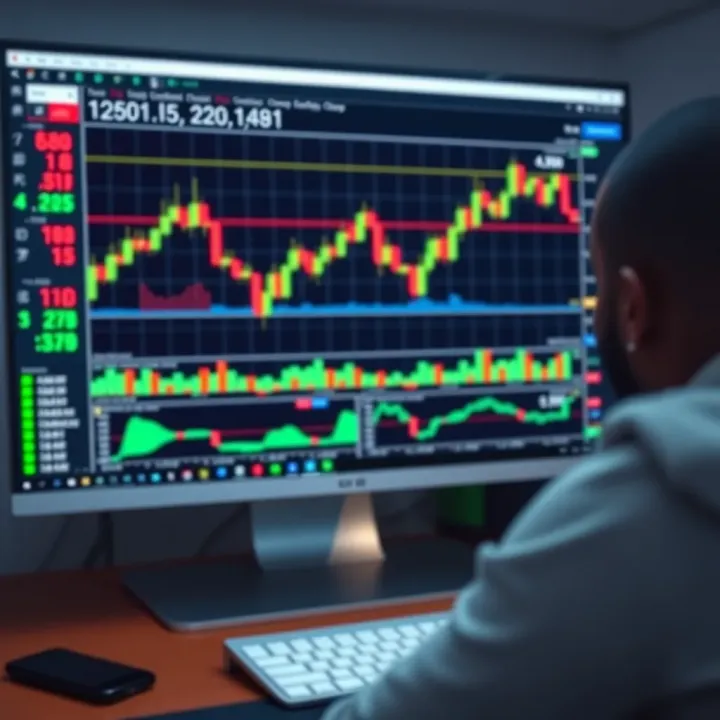
📈 Ready to trade forex in Nigeria? Learn how to pick brokers, set up accounts, manage risk, and avoid common mistakes. Build your trading skills today! ₦
📈 Ready to start forex trading in Nigeria? Learn how to pick brokers, open accounts, understand key terms, apply winning strategies, and manage risks with confidence.
Based on 9 reviews