
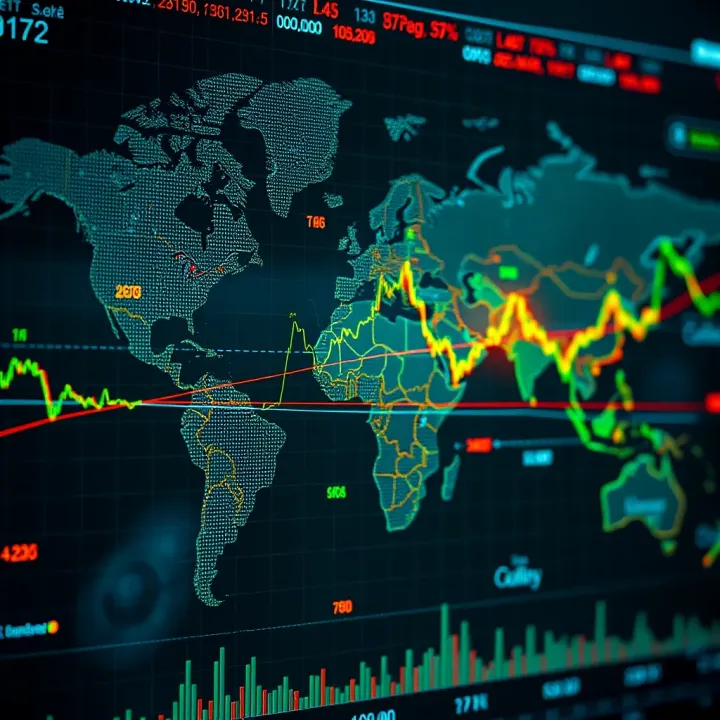
Understanding Forex Trading for Nigerian Traders
💱 Understand forex trading: how the global currency market works, key players, methods, risks & rewards for Nigerian traders. Make smarter moves with forex insights today!
Edited By
James Whitaker
Forex trading, also known as foreign exchange trading, involves buying and selling currencies with the aim of making a profit from fluctuations in exchange rates. In Nigeria, this activity has attracted growing interest, especially among young investors seeking alternative income streams beyond traditional savings or fixed investments.
At its core, forex trading works through currency pairs — for example, the US dollar (USD) against the Nigerian naira (NGN). If you buy USD/NGN anticipating the dollar will strengthen against the naira, you stand to gain when the exchange rate rises. Conversely, if the naira strengthens, you risk making a loss. This dynamic means traders must keep a keen eye on economic indicators, geopolitical events, and Central Bank of Nigeria (CBN) policies that influence currency values.
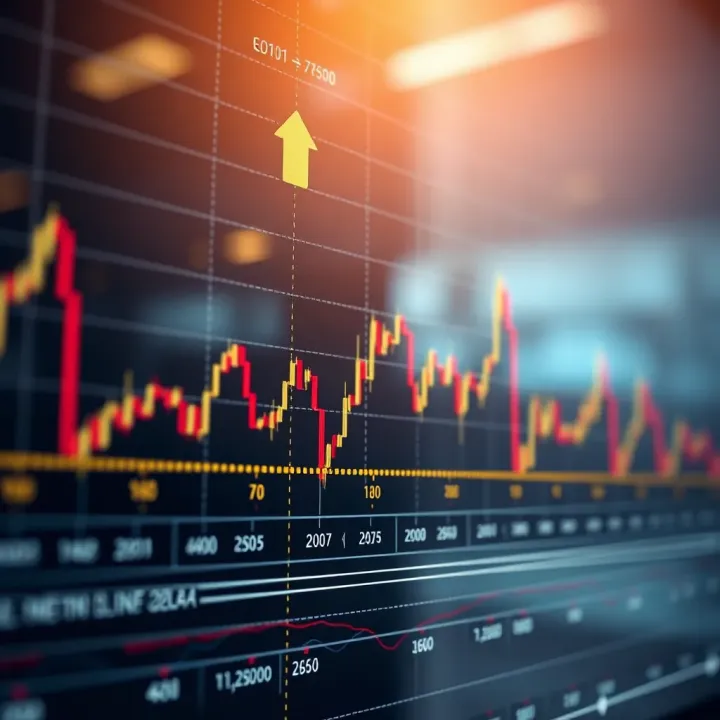
Forex operates 24 hours a day, five days a week, covering major financial centres such as London, New York, Tokyo, and Singapore. For Nigerians, access to this market comes through licensed brokers, many of which offer online platforms accessible via smartphones. Payment methods have adapted to local realities — USSD codes, bank transfers, and even mobile wallets like OPay and PalmPay are common for funding forex accounts.
"Understanding local regulations and safe trading practices is vital before joining forex trading in Nigeria."
The Nigerian Securities and Exchange Commission (SEC) oversees forex brokers to protect investors from scams. Still, the market remains risky due to high volatility and leverage options that can magnify losses. Many Nigerians have faced challenges like sudden naira depreciation, delayed withdrawals, or outright fraud. Thus, having practical knowledge and a sound trading plan is essential.
To get started effectively, traders should:
Choose registered brokers who comply with SEC and CBN rules
Use local payment options for smoother deposits and withdrawals
Start with small amounts to build experience
Keep abreast of national economic news, such as inflation rates and foreign reserve levels
Ultimately, forex trading presents a real opportunity for Nigerians to diversify their income but demands careful preparation, discipline, and respect for market risks.
Forex trading involves exchanging one currency for another in hopes of benefiting from changes in exchange rates. For Nigerians, understanding this market means engaging with a global network that affects everyday costs, such as imported goods or foreign travel expenses. Getting to grips with forex trading helps investors and traders make informed decisions on when to buy or sell currencies for profit or hedging.
Currency pairs and exchange rates: Forex trading revolves around currency pairs, for example, USD/NGN or EUR/USD. When you trade, you are buying one currency while selling another simultaneously. The exchange rate shows how much of the second currency you need to get one unit of the first. For instance, if USD/NGN is 460, it means ₦460 buys 1 US dollar. This rate constantly changes due to demand and supply, economic conditions, and geopolitical events.
How buying and selling works: If a trader believes the US dollar will strengthen against the naira, they would buy USD/NGN. Later, if the dollar appreciates, selling back the position earns profit. Conversely, if the naira strengthens or the dollar weakens, the trader incurs a loss. Understanding this simple buy-sell dynamic helps avoid confusion about how profit or loss arises in forex.
Overview of market participants: The forex market is a hive of activity involving central banks like the Central Bank of Nigeria (CBN), commercial banks, multinational companies engaging in foreign trade, hedge funds, retail traders in Nigeria using platforms like MetaTrader, and brokers who execute trades. Each plays a role in providing liquidity and driving price movements. For example, CBN interventions during naira volatility directly influence forex rates.
24-hour global market operation: Unlike the Nigerian Stock Exchange (NGX) which operates specific hours, forex runs round-the-clock, five days a week, due to international trading hubs in London, New York, Tokyo, and Sydney. For Nigerian traders, this means you can trade at night or early morning, adapting to your schedule while responding instantly to live economic news anywhere in the world.
Liquidity and volume compared to stocks: Forex is the largest financial market globally, with daily trading volume exceeding US$6 trillion. This immense size ensures high liquidity, so trades can be executed quickly with minimal price distortion. Compared to many Nigerian equities that may trade thinly, forex offers more consistent market depth, reducing risks linked to trying to buy or sell assets when few buyers or sellers are present.
Use of leverage: One unique feature of forex is leverage, allowing traders to control large positions with comparatively small capital outlay. For instance, with 1:100 leverage, ₦10,000 can control ₦1,000,000 worth of currency. While this magnifies potential profits, it also increases risks; a small adverse price move can wipe out your capital fast. Hence, Nigerian traders should manage leverage carefully, setting stop-loss orders and never risking more than they can afford to lose.
Forex trading offers Nigerians a practical way to access global financial movements directly, but demands clear understanding of its mechanics, risks, and the wider economic context. Starting with basic concepts builds the foundation for smarter, safer trading decisions.
Understanding how forex trading operates in real terms is essential for Nigerian traders aiming to navigate this dynamic market effectively. Practical knowledge not only helps traders pick suitable tools but also shapes strategies that fit their risk appetite and trading goals.
Popular platforms like MetaTrader and others provide the gateway through which traders enter the forex market. MetaTrader 4 and 5 remain the dominant platforms globally and within Nigeria due to their user-friendly interface, extensive charting options, and automated trading capabilities. Platforms such as cTrader and proprietary broker software also exist, offering different features and layouts. For Nigerian traders, the ability to access these platforms via smartphones or laptops is crucial because of inconsistent power supply and busy lifestyles.
Technical and fundamental analysis tools form the backbone of informed trading decisions. Technical tools include chart patterns, indicators like Moving Averages or Relative Strength Index (RSI), and tools for trend analysis. These can help traders identify entry and exit points based on past price movements. Fundamental analysis focuses on economic reports, such as Nigeria’s inflation rate or Central Bank of Nigeria (CBN) policy statements, and global indicators like US job numbers or geopolitical events. Combining both approaches improves the chances of predicting currency movements accurately.
The role of brokers in execution is vital in the forex ecosystem. Brokers act as intermediaries, providing access to the foreign exchange market and handling order execution. They offer leverage, manage risk controls, and supply trading platforms. Nigerian traders should prioritise brokers regulated by bodies like the Securities and Exchange Commission (SEC) Nigeria or internationally reputed authorities to avoid scams. Brokers also determine spreads and commissions, which impact profitability, so choosing one with competitive costs is prudent.
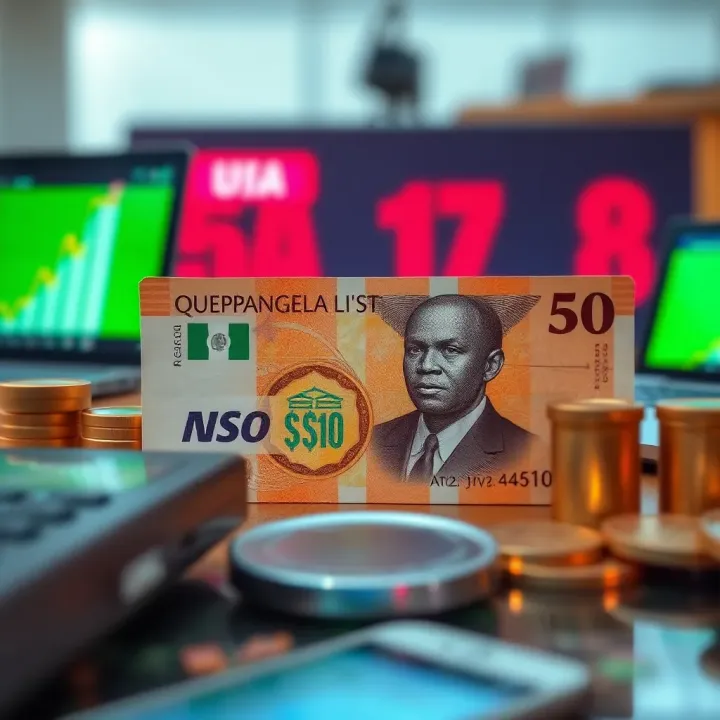
Day trading and scalping involve making multiple trades within a short time to capture small price changes. These strategies require constant monitoring and quick decisions. For instance, a trader monitoring the USD/NGN pair might execute several trades during the CBN’s market interventions. Scalpers target very small profits repeated many times, while day traders may hold positions for minutes to hours.
Swing trading aims to capture price movements over several days or weeks. It suits traders who cannot stay glued to screens all day. For example, a swing trader might hold a position on the EUR/USD pair after observing an anticipated change due to upcoming Eurozone economic data.
Long-term position trading focuses on holding trades for months or even years, relying mainly on fundamental analysis. Nigerian investors with longer horizons might hold currencies like the US dollar or British pound during times of domestic naira instability, anticipating a gradual appreciation.
Successful forex trading depends as much on practical knowledge of platforms and tools as on choosing strategies that align with a trader’s lifestyle and risk tolerance.
Understanding these practical elements equips Nigerian traders to engage forex trading thoughtfully, avoiding common pitfalls and making informed decisions that can lead to steady growth in their portfolio.
Forex trading carries several risks that traders in Nigeria must understand before jumping in. Awareness about these challenges helps you protect your funds and avoid costly mistakes. The forex market's high volatility, leverage use, and presence of scams make prudent caution a must.
Impact of economic events: Economic announcements and geopolitical happenings influence currency values sharply. For instance, if the Central Bank of Nigeria (CBN) adjusts interest rates unexpectedly, the naira's exchange rate can swing significantly against the dollar. Traders should keep an eye on such events because they can make or break a position within minutes. Being caught off guard may lead to losses if the market moves contrary to your trade.
Sudden exchange rate swings: Forex rates often change rapidly due to market sentiment or news. For example, during fuel subsidy debates or political uncertainties around elections, the naira can suddenly lose value, surprising traders who held long positions. These swings can trigger stop-loss orders or margin calls if you’re using borrowed funds. Understanding this helps traders avoid getting wiped out by sharp but short-lived market moves.
How leverage amplifies losses and gains: Leverage lets you control large trade sizes with a small capital outlay, making forex attractive. Suppose you use 100:1 leverage; a ₦10,000 deposit lets you trade ₦1,000,000 worth of currency. While profits can be impressive with small price moves, the downside is brutal. A 1% adverse move wipes out your entire deposit. That's why leverage acts like a double-edged sword – it can double your gains or wipe you out quickly.
Importance of risk management: Managing risk is non-negotiable in forex. Setting stop-loss orders limits how much you can lose on a trade, helping you avoid total capital wipeout. Many Nigerian traders neglect this, trading emotionally or chasing losses. Keeping leverage low and never risking more than 1-2% of your capital per trade protects your portfolio. Risk management tools and discipline separate successful traders from those who blow accounts within days.
Common fraud schemes to watch out for: Unfortunately, the Nigerian forex space has attracted scammers promising guaranteed returns or insider tips. Pyramid schemes, fake brokers, and unregulated platforms often appear during ember months when people seek quick cash. These scams frequently require upfront payments and then disappear or block clients. Avoid anyone offering unrealistic profits or asking for excessive investments without clear terms.
How to verify brokers and platforms: Always deal with brokers regulated by the Securities and Exchange Commission (SEC) Nigeria or internationally recognised authorities. Check brokers' credentials carefully – a genuine broker will have verifiable licences and good user reviews. Using well-known global platforms like MetaTrader through regulated brokers also adds safety. Funds held with reputable brokers are less likely to be misappropriated. Be wary of brokers refusing to provide proof of regulation or those pushing risky deposit methods.
Staying alert to risks and managing them carefully can make forex trading in Nigeria less of a gamble and more a calculated investment. Build your knowledge, check credentials, and control your exposure.
Getting started with forex trading in Nigeria requires understanding some foundational steps that go beyond just knowing the markets. It's about setting up the right accounts, ensuring secure funding methods, and staying compliant with local laws. This section breaks down the essentials, helping you avoid common pitfalls and trade safely.
Identification and documentation are fundamental when opening a forex trading account. Most reputable brokers require valid government-issued identification such as a National Identification Number (NIN), international passport, or driver's licence to verify your identity. This process helps prevent fraud and aligns with global financial regulations.
Aside from ID, you may also need proof of residence, like a utility bill or bank statement, issued within the last three months. These documents not only prove your Nigerian residency but also aid brokers in complying with anti-money laundering (AML) rules. For example, popular brokers operating in Nigeria often require this to open standard or ECN accounts.
Initial deposit expectations vary depending on the broker and account type. Some international platforms accept as little as $50 to open an account, while others may require $200 or more. Nigerian traders should consider exchange rates and potential charges when funding accounts.
Choosing a broker with flexible deposit thresholds helps new traders start small and limit initial risks. For instance, if the naira weakens against the dollar, a fixed $100 deposit in USD might cost more naira on one day than another, affecting your starting capital. Being mindful here protects your investment from unfavourable FX swings.
Using local payment options simplifies the process. Many brokers now accept payments through Nigerian banks, Paystack, Flutterwave, or wallets like OPay and PalmPay. Options like card payments, bank transfers, and USSD codes make depositing funds quick and accessible.
A practical example is using GTBank’s 737 USSD to send money to your broker’s wallet, bypassing international bank hassles. This method saves time and decreases reliance on third-party forex services, which can charge high spreads or fees.
Handling naira to dollar transactions is an important consideration. Since most forex brokers trade in major currencies like the US dollar, you’ll need to convert naira (₦) to dollars (USD) when funding.
Officially, this involves exchanging naira through banks that follow Central Bank of Nigeria (CBN) guidelines and approved rates. However, discrepancies between official and parallel market rates mean traders should shop around for the best conversion option. Being sharp here helps preserve your trading capital and avoid unnecessary losses due to poor exchange rates.
The role of SEC Nigeria and CBN is crucial in forex trading. Both the Securities and Exchange Commission (SEC) and Central Bank of Nigeria oversee financial activities to protect traders and the economy. SEC regulates brokers operating within Nigeria, while CBN guides currency operations and exchange policies.
Adhering to their rules means trading on platforms that are transparent and above board. For instance, CBN’s stance affects how you can fund your forex account from Nigeria, making it essential to follow updates from these agencies.
Choosing regulated brokers minimises exposure to scams. Always confirm if the broker is registered with SEC Nigeria or licensed by recognised international bodies such as the FCA (UK) or ASIC (Australia). Regulatory approval means the broker meets minimum standards for client fund safety and fair trading.
Nigerian traders have fallen victim to unregulated entities masquerading as genuine brokers — so double-checking licences and reading verified reviews can save you from significant losses.
Starting forex trading right means matching practical steps — account setup, wise funding, and respecting legal safeguards — all to keep your ₦earning journey secure and informed.
This guide aims to equip you with these critical insights, so your first steps in forex trading are confident and well-informed.
Forex trading can be rewarding but requires discipline, knowledge, and staying alert. The Nigerian market throws unique challenges like naira volatility and local regulations, so traders must adopt smart habits to improve their chances of consistent profits. This section offers practical tips that help you stay ahead and protect your funds.
Keeping your knowledge sharp is non-negotiable in forex. The market reacts quickly to global events and economic shifts. Use trusted educational channels such as the Nigerian Stock Exchange (NGX) updates, CBN announcements, and established forex trainers. Avoid social media rumours and unverified courses that promise quick riches. Instead, rely on verified platforms and experienced analysts who explain how factors like oil prices or monetary policy affect currency pairs.
Practising on demo accounts is like getting driving experience without crashing a car. Reputable brokers such as FXTM and OctaFX offer demo trading platforms that replicate real market conditions but with virtual funds. This helps you test strategies without risking naira. Demo accounts are especially useful for beginners to understand order types and risk management tools before committing real money.
A stop-loss is an automatic order to close a trade once a currency hits a certain price, limiting potential losses. For example, if you buy the USD/NGN pair at ₦460 but can't tolerate losing more than ₦5 per dollar, setting a stop-loss around ₦455 protects your investment. Stop-loss orders are crucial in Nigeria where sudden policy changes can cause sharp currency swings.
Leverage lets traders control bigger positions with smaller deposits but can multiply losses just as fast as gains. If you trade with 50:1 leverage, a 2% market move against you wipes out your capital. Start with lower leverage ratios offered by brokers and scale up later. Over-leveraging is common among Nigerians new to forex and often leads to wiping out accounts quickly.
The Central Bank of Nigeria frequently adjusts interest rates, forex reserves, and trade restrictions. Every policy shift affects currency demand and naira stability. Traders who track CBN press releases have a head start to adjust positions before markets react. For instance, if the CBN raises the monetary policy rate, naira may strengthen against the dollar, altering trade outcomes.
Global currencies like the US dollar, euro, and British pound influence forex pairs involving the naira. Keeping an eye on Federal Reserve decisions, Brexit developments, or oil price trends can help predict currency movements. Knowing these global events helps Nigerian traders anticipate volatility and plan trades accordingly.
Successful forex trading in Nigeria combines sound education, cautious fund management, and staying on top of both local and international developments. These tips help turn raw interest into real profit while reducing exposure to avoidable risks.
💱 Understand forex trading: how the global currency market works, key players, methods, risks & rewards for Nigerian traders. Make smarter moves with forex insights today!
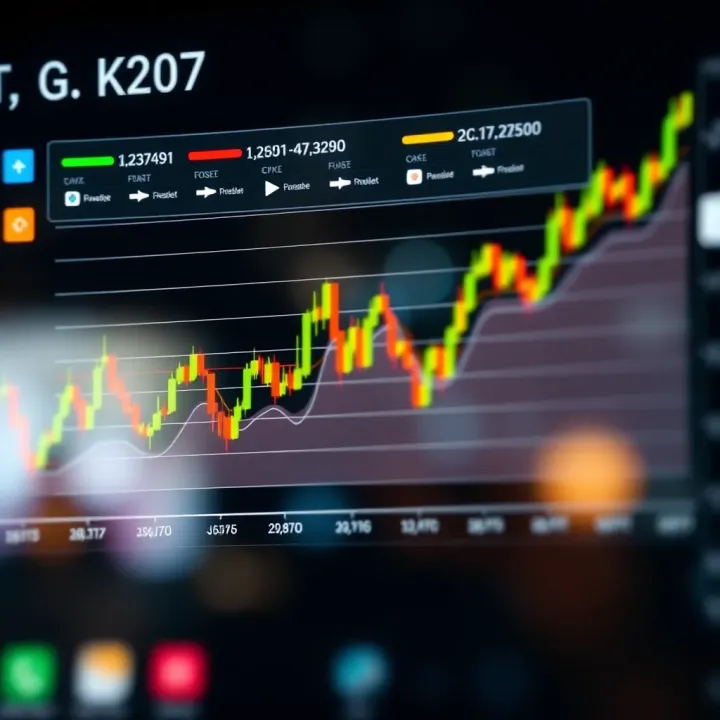
📈 Master forex trading quotes with our guide for Nigerian traders. Learn how to read quotes, understand market moves, and make smarter ₦ trades with confidence.
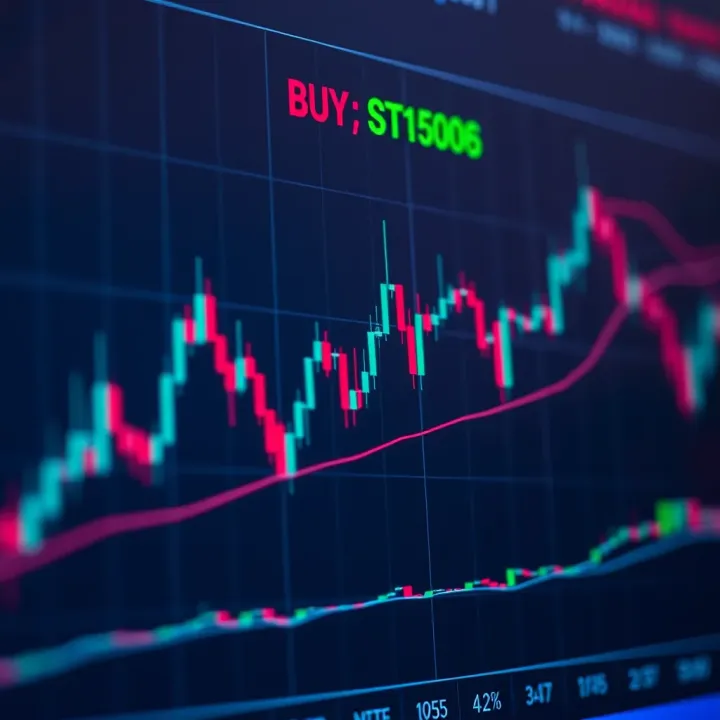
📈 Discover how forex trading signals can guide Nigerian traders to make smarter currency moves, manage risks effectively, and boost profits in Nigeria's market.
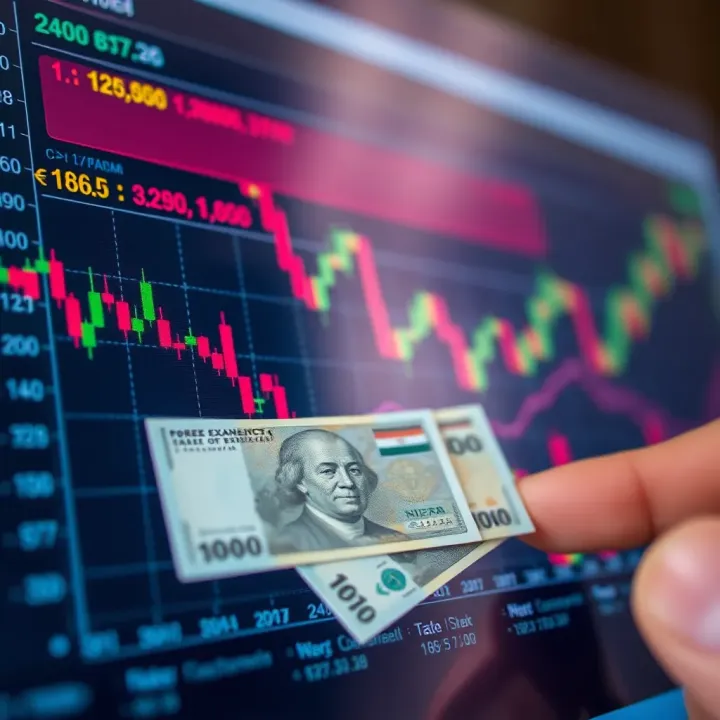
Explore how forex trading companies in Nigeria operate, their regulations, top firms to watch, risks involved, and tips to pick a reliable forex investment partner. 💹🇳🇬
Based on 12 reviews