
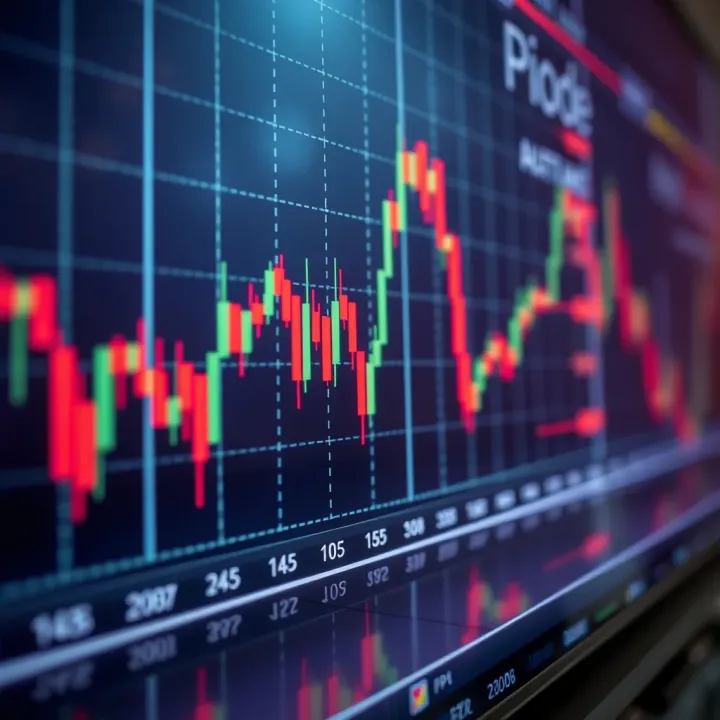
Understanding Pips in Forex Trading for Nigerian Traders
📈 Understand pips in forex trading, how to calculate their value in ₦, and make smarter trading moves. Perfect guide for Nigerian traders looking to profit well!
Edited By
Ethan Parker
In the world of forex trading, especially for Nigerian traders, understanding a 'pip' is fundamental. A pip, short for ‘percentage in point’, marks the smallest unit by which a currency pair's price changes. Although it sounds technical, mastering pips helps traders calculate profits, manage risks, and make informed decisions.
For instance, when trading the popular USD/NGN pair, a pip reflects tiny movements in price, often down to the fourth decimal place. Consider that if the exchange rate moves from ₦750.1234 to ₦750.1334, the difference is 1 pip (0.0001). This might look like a small shift, but over larger volumes, it can mean a significant gain or loss.
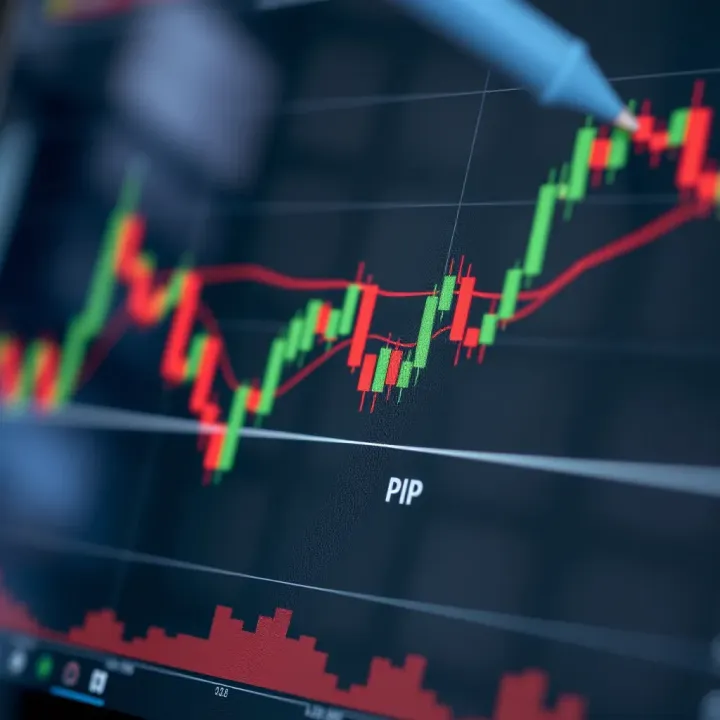
Knowing how to measure pips is like having a good speedometer in a danfo navigating busy Lagos traffic: it gives you a clear gauge of your position and progress.
Pips are also crucial when calculating your position size and setting stop-loss orders. For example, if you’re willing to risk only ₦5,000 on a trade, understanding the pip value tells you how much you can trade without exceeding that loss. This is key in controlling exposure, especially given the volatility in the Nigerian forex scene.
Consider these practical points:
Pip value varies depending on the currency pair and lot size. One standard lot usually represents 100,000 units of the base currency, making a one-pip movement worth around $10 for USD pairs.
Micro and mini lots offer lower pip values, which suits small-scale traders or those new to forex.
Currency pairs quoted in Japanese Yen (JPY) measure pips differently, typically to the second decimal place.
Understanding how pips translate into Naira also matters heavily due to exchange rate fluctuations. A gain of 10 pips might mean different Naira amounts from day to day.
This guide will walk you through how to calculate pip values accurately, interpret their meaning, and apply this knowledge to your trading strategy in Nigeria’s unique forex market. With this grasp, you enhance your ability to navigate risks and tap into profitable opportunities smoothly.

Understanding what a pip is forms the foundation of mastering forex trading. Without a clear grasp of this term, traders risk making costly mistakes when managing trades or calculating profits and losses. For Nigerian traders, who often deal with volatile local currency pairs such as USD/NGN or EUR/NGN, knowing exactly what a pip represents can improve decision-making and precision.
A pip, short for "percentage in point," is the smallest unit of price movement in a currency pair. Usually, it represents the fourth decimal place in most currency pairs. For example, if the USD/NGN pair moves from 415.2500 to 415.2600, that change of 0.0001 is one pip. However, for pairs involving the Japanese yen, one pip equals a change in the second decimal place due to the yen’s different valuation scale.
To put this into perspective, if you are trading USD/NGN and the pair moves by 50 pips, that is a movement of 0.0050 in price. This makes pips crucial for tracking how much a currency’s value rises or falls in the market. Traders use pips to precisely measure small fluctuations that, when magnified by lot sizes, can mean significant profit or loss.
Pips act as a standard measuring stick for price changes, allowing traders to quantify risk and reward accurately. When you set your stop-loss or take-profit levels, you’re often calculating how many pips away these orders should be to protect capital or lock in gains.
For Nigerian traders, where the naira can be highly volatile due to factors like monetary policy changes, fuel prices, or forex scarcity, understanding pip value helps in managing exposure. A small pip movement against your position on USD/NGN could translate to ₦5,000 or more loss depending on your trade size.
Additionally, pips influence the cost of spreads—the difference between the buying and selling price set by brokers. Knowing how spreads impact your trading costs in pips aids in choosing the best broker or trading instrument in Nigeria’s forex market. This also ties into pip-based risk management strategies that ensure traders do not overexpose themselves to market swings.
Grasping pip concepts helps you track exactly how much you gain or lose with every tick, making your forex trading more precise and manageable.
In summary, understanding what a pip is and why it matters empowers Nigerian forex traders to calculate their potential outcomes clearly, plan entries and exits more effectively, and adapt to the local market’s unique challenges.
Understanding how to calculate pips and their monetary value is essential for every forex trader in Nigeria. Pips reflect the smallest price change in a currency pair and help you gauge gains or losses accurately. Knowing how each pip translates into actual money allows you to manage your risk better and plan your trades with confidence.
Typically, a pip is the fourth decimal place in most currency pairs, such as EUR/USD or GBP/USD. For example, if EUR/USD moves from 1.1300 to 1.1301, that is one pip. However, currency pairs involving the Japanese yen (JPY) use the second decimal place to measure pips. If USD/JPY changes from 110.20 to 110.21, that movement counts as one pip.
Because the Nigerian forex market often includes trading pairs like USD/NGN, it’s important to understand how pips are measured in such pairs that might have different decimal structures due to local market conventions and liquidity.
To find the monetary value of a pip, you need to consider the size of your trade (lot size) and the currency pair involved. For a standard lot (100,000 units), each pip movement in pairs where the USD is the quote currency usually equals $10. But what if your trading account is in naira?
Suppose you trade one standard lot of USD/NGN at an exchange rate of ₦760/$. A movement of one pip (0.0001) is worth:
plaintext Pip value = (Lot size × Pip size) × Exchange rate ⇒ (100,000 × 0.0001) × ₦760 ⇒ 10 × ₦760 = ₦7,600
Hence, each pip movement represents ₦7,600. For smaller lots, like a mini lot (10,000 units), the pip value falls proportionally to ₦760 per pip. Calculating pip value regularly helps you adjust position sizes to stay within your risk tolerance.

### Tools and Resources to Track Pip Movements

Manually calculating pip values each time can be tedious. Thankfully, many brokers and trading platforms used by Nigerian traders, including MT4, MT5, or platforms from brokers like FXTM and XM, offer pip calculators embedded in their tools.

Additionally, websites like Investing.com or Babypips provide free pip calculators helpful for quick estimations. Syncing these tools with your trading account currency and lot size saves time and reduces errors during active trading.

> Knowing how to calculate pip values puts you in better control of your trades, especially in volatile markets where every pip counts towards your profits or losses.

By mastering pip calculations and using the available resources to track pip movements, Nigerian traders can better protect their investments and make smarter decisions in the forex market.

## Understanding Related Terms: Pipette, Spread, and Lot Size

Grasping terms beyond just "pip" is essential for serious forex traders. *Pipette*, *spread*, and *lot size* impact your trading in very practical ways, especially when dealing with volatile currencies like the naira. They affect your costs, potential profits, and how you manage risk on each trade.

### What is a Pipette and How Does it Differ from a Pip?

A **pipette** is basically a fraction of a pip — one-tenth of a pip to be exact. While a pip usually refers to the fourth decimal place in most currency pairs (like USD/Naira quoted as 1.0000), a pipette goes one decimal further, to the fifth decimal place (1.00000). Think of it as finer measurement granularity.

For example, if the USD/Naira pair moves from 410.1500 to 410.1501, that change is one pipette, while moving from 410.1500 to 410.15010 would mean a tenth of a pipette, which most platforms can't display. Many brokers provide pipette pricing so traders can track even smaller price changes. Nigeria's forex scene benefits from this precision because naira volatility means prices can swing sharply in small increments.

### Role of Spread in Influencing Pip Costs

The **spread** is the difference between a currency pair’s buy (ask) and sell (bid) price. It represents the broker’s fee, and it’s always measured in pips. So, if the spread on a USD/NGN pair is 50 pips, that means the price you can sell is 50 pips lower than the price you can buy.

In practice, a wider spread increases your trading costs and the number of pips you must gain before making a profit. For Nigerian traders, knowing the spread is critical because naira pairs often have wider spreads than major pairs like EUR/USD, due to liquidity constraints. Brokers might offer different spreads depending on the trading platform or account type, so always compare before opening a position.

> *Remember*, managing spread is how you keep trade costs down and improve your bottom line. Tight spreads mean cheaper entry and exit.

### How Lot Size Affects Pip Value and Trading Risk

**Lot size** is the quantity of currency units you trade. The standard lot is 100,000 units, but mini (10,000), micro (1,000), and nano lots also exist. Lot size directly influences how much a single pip is worth in your account currency.

To illustrate, if you buy one standard lot of USD/NGN and the price moves by 1 pip, your gain or loss could be as much as ₦10,000 depending on the current exchange rate. Now, if you trade a micro lot instead, the pip value drops to ₦100, significantly lowering potential gains but also curbing risk.

For Nigerian traders, choosing the right lot size is a key risk management strategy, particularly because naira pairs can be volatile and leverage can magnify losses. Smaller lot sizes allow you to control your exposure and adjust your trades to your capital and risk tolerance, especially given the cost of running trades during unpredictable power and internet conditions.

Understanding these related terms arms you with the practical knowledge to make smarter trades and refine your strategies for the Nigerian forex market.

## Why Pips are Important to Risk and Profit Management

Understanding pips is vital for managing risk and boosting profit in forex trading, especially within the Nigerian context. Pips quantify price movements, allowing traders to measure gains and losses precisely. They guide decision-making on when to enter or exit trades, helping avoid emotional reactions that could lead to poor choices.

### Using Pips to Set Stop-Loss and Take-Profit Levels

Setting stop-loss and take-profit orders based on pips helps traders control potential losses and secure gains. For example, if you open a trade on the USD/NGN pair at ₦500 and decide a stop-loss of 50 pips, you fix the maximum loss before automatically exiting. Similarly, setting a take-profit target of, say, 100 pips locks in your profit at a predetermined level. This method protects your capital from sudden market swings, especially with the frequent naira volatility. It is a straightforward way to plan trades and remain disciplined, avoiding the temptation to hold losing positions hoping for reversal.

### Pip-Based Position Sizing Strategies

Position sizing means deciding how much money to allocate to a trade based on pip risk. Suppose you risk ₦5,000 per trade and your stop-loss is 25 pips; you adjust your lot size so that each pip equates to ₦200 loss (₦5,000 ÷ 25 pips). This keeps your risk consistent irrespective of the currency pair or account size. Nigerian traders often face tight capital constraints, so pip-based position sizing helps manage risk without overexposure. This approach also supports gradual growth instead of risking too much on one trade.

### Impact of Naira Volatility on Pip Calculations

The naira’s frequent fluctuations make pip value calculations tricky. For pairs involving NGN, the pip's monetary value can change rapidly as exchange rates shift. For instance, when the Central Bank of Nigeria (CBN) intervenes or during ember months when forex demand peaks, naira volatility spikes. Traders must regularly update pip values to reflect current rates, or risk miscalculating profits and losses. Ignoring this can lead to wrong position sizing and higher risk than intended. Using local platforms like OPay or Paystack for live exchange data can help Nigerian traders stay updated.

> Managing pips actively, especially in Nigeria’s volatile forex market, is not just good practice—it is the difference between lasting losses and steady profits.

By mastering pip usage for stop-loss and take-profit orders, position sizing, and adjusting for naira’s swings, Nigerian traders can safeguard capital and take advantage of market moves effectively.📈 Understand pips in forex trading, how to calculate their value in ₦, and make smarter trading moves. Perfect guide for Nigerian traders looking to profit well!

💱 Understand forex trading: how the global currency market works, key players, methods, risks & rewards for Nigerian traders. Make smarter moves with forex insights today!

Trading forex in Nigeria? Discover how top forex companies operate, their regulation, tips to spot reliable firms, and ways to avoid common risks 🏦💱
📈 Master forex trading quotes with our guide for Nigerian traders. Learn how to read quotes, understand market moves, and make smarter ₦ trades with confidence.
Based on 10 reviews