
Economic Calendar: Key Tool for Nigerian Traders
📊 Learn how the economic calendar tracks vital events that shape currencies, stocks, and commodities. Discover where Nigerian investors access this info to win in the market.
Edited By
Ethan Scott
Every day, traders, investors, and analysts keep an eye on the economic calendar to understand what key data and events might shake the Nigerian markets. The economic calendar is a schedule of significant economic releases, reports, and announcements that impact financial markets, business operations, and investment decisions.
For example, today’s calendar might include the Central Bank of Nigeria (CBN) monetary policy announcement, inflation rate updates from the National Bureau of Statistics (NBS), or trade balance figures. Knowing when these events occur helps market participants anticipate price movements and adjust strategies accordingly.
The economic calendar isn’t just about dates and times — it’s about understanding the story behind the numbers. A sudden rise in inflation or an unexpected drop in foreign reserves can affect the naira’s exchange rate, stock prices on the Nigerian Exchange (NGX), or interest rate expectations. Businesses, from banks to manufacturers, often plan budgets and procurement based on these insights.
Staying up to date with economic releases allows you to avoid surprises and position yourself to benefit rather than suffer losses.
Here are a few essentials about today’s economic calendar:
Sources of Data: The calendar pulls information from trusted Nigerian institutions such as the CBN, NBS, debt management offices, and international organisations affecting Nigeria’s economy.
Key Indicators: Inflation rate, unemployment figures, foreign exchange reserves, oil production data, and government fiscal updates are examples of critical reports to watch.
Market Impact: Each release can lead to volatility in equities, fixed income, currencies, and commodities, requiring attentiveness from traders and business managers.
Understanding today’s economic calendar gives you a practical edge — allowing you to read market sentiment, calibrate risk, and make timely financial decisions. Whether you’re an investor managing portfolios or a business owner tracking currency trends, this calendar is your daily compass.
An economic calendar is a schedule of upcoming economic data releases and events that can impact financial markets, businesses, and policymaking. It works like a radar for traders, investors, analysts, and business leaders, showing when important indicators—such as inflation figures, central bank decisions, or trade data—will be announced. For instance, if the Central Bank of Nigeria (CBN) is set to release its monetary policy report, market participants anticipate potential changes in interest rates or monetary stance, which could immediately influence stock prices and currency value.
The primary purpose of an economic calendar is to organise and present key economic events in a clear, timely manner so users can prepare for possible market movements. It helps avoid surprises that might come from unexpected economic informations. Traders use it to plan entry and exit points, while businesses monitor critical data like inflation to adjust pricing or budgeting. For example, a manufacturing company might delay purchasing raw materials ahead of an inflation report to avoid increased costs.
Economic calendars also promote transparency in the financial markets by consolidating data from various sources—CBN releases, National Bureau of Statistics reports, or global events like US Federal Reserve announcements—into one place. This accessibility allows professionals to stay informed and react quickly to developments.
Economic data acts as a pulse check for the health of the economy, guiding decision-making across sectors. When inflation rates shoot up unexpectedly, investors may shift funds towards assets that traditionally preserve value, such as real estate or commodities. Similarly, a weak trade balance report might signal economic challenges ahead, prompting businesses to tighten spending or rethink expansion plans.
In Nigeria's context, suppose the monthly inflation data shows a steep rise beyond market expectations. This could lead to a rally in forex demand as importers scramble to buy dollars ahead of expected currency depreciation. Businesses relying on imported goods could face higher costs, which they may pass on to consumers. On the other hand, banks could adjust lending rates quickly based on updated CBN policy guidance, directly affecting credit availability.
Timely access to accurate economic data helps financial experts and business leaders navigate uncertainty, manage risks, and seize emerging opportunities.
Overall, the economic calendar serves as an indispensable tool to track and anticipate these dynamics, especially given Nigeria’s volatile market conditions and global linkages. By understanding what an economic calendar is and why it matters, you stand better positioned to interpret market signals and make well-informed financial decisions.
Key economic events scheduled for today often steer market behaviour and business moves in Nigeria. Traders and investors keenly watch these events to anticipate shifts in currency value, stock prices, and interest rates. Businesses also track economic data releases to adjust pricing, supply chains, and investment plans accordingly. Understanding today's key events helps you gauge the mood of the market with more certainty.
Inflation numbers reveal how fast prices are rising in Nigeria, affecting the cost of living and purchasing power. For instance, if the inflation rate spikes beyond 20%, the prices of everyday goods such as rice, petrol, and transport fares tend to jump, squeezing household budgets. Financial markets react swiftly to inflation changes because they influence monetary policy and consumer confidence.
Knowing the latest inflation update lets investors decide whether the Central Bank of Nigeria (CBN) might raise interest rates to tame rising prices. Businesses can also adjust wages or supplier contracts in response to inflation trends to protect profitability.
When the CBN announces changes to policies such as the monetary policy rate, cash reserve ratio, or forex interventions, these shifts directly impact lending rates, liquidity, and naira stability. For example, a hike in the monetary policy rate often signals tighter borrowing conditions, causing banks to raise loan interest rates.
Such announcements are crucial for traders and investors because they affect sectors differently. Banks may see profit gains with higher interest rates, while manufacturing companies might struggle with costlier loans. Reacting quickly to these releases is essential to protect investments and capitalise on opportunities.
Trade data reflect Nigeria's economic health, revealing whether the country exports more than it imports. A positive trade balance means foreign exchange inflows rise, strengthening the naira. Conversely, a trade deficit can increase naira volatility and raise inflationary pressures.
Businesses involved in import or export use these figures to plan inventory and pricing. For example, if oil exports decline, companies dependent on petrochemical products might expect supply shortages or price hikes. Investors monitor these stats to anticipate currency movements and stock market reactions.
Decisions by the US Federal Reserve (Fed) ripple through global markets, including Nigeria’s. When the Fed adjusts its interest rates, it influences global capital flows, often causing naira currency fluctuations. An increase in US rates tends to attract foreign investors away from Nigerian assets, leading to naira depreciation.
Traders in Nigeria keep a close eye on Fed meetings because these affect the cost of dollar debt servicing for Nigerian companies and government bonds. Sharp movements in exchange rates after Fed announcements can create both risks and opportunities.
Since Nigeria depends heavily on crude oil exports, daily updates on oil prices hit like a drumbeat across the economy. When prices rise above $70 per barrel, government revenues and foreign reserves usually improve; a fall below $50 leads to tight budgets and possible policy adjustments.
Businesses in fuel-dependent sectors, such as transportation and manufacturing, respond quickly to oil price shifts. Traders watch oil reports to predict market swings in banking shares, forex rates, and even political stability.
Reports on global trade volumes and tariffs from major economies like China, the EU, and the US influence Nigeria’s foreign trade climate. Restrictions or increased trade activity can impact Nigeria’s export markets for agricultural products, manufactured goods, and crude oil.
Aside from helping exporters plan, these trade figures assist import-dependent businesses to anticipate costs and timelines. Investors also interpret this data to estimate GDP growth potential and currency demand.
Staying attuned to both local and global economic updates equips you to make financial choices that withstand Nigeria’s market volatility.
In today's fast-moving financial world, having access to a reliable economic calendar is essential for traders, investors, brokers, and analysts. A dependable calendar ensures you never miss key economic events that can move markets, influence decisions, or affect portfolio performance. This section highlights trusted Nigerian and international sources where you can access accurate, up-to-date economic releases and insights.
The Central Bank of Nigeria (CBN) website is the foremost source for official Nigerian economic data. It releases vital metrics such as the monetary policy rate, inflation figures, currency exchange rate policies, and financial system reports. For investors focussing on the Nigerian market, the CBN site provides the original policies and announcements influencing banking, fiscal measures, and the naira's trajectory.
Using the CBN website regularly gives you direct access to authoritative data without the risk of distortion common on unofficial platforms. For example, recent CBN policy meetings and statements on forex restrictions or regulatory changes often shape market sentiment instantly.
Several Nigerian financial news platforms and mobile apps gather, analyse, and present economic calendar data conveniently to users. Platforms like Nairametrics, BusinessDay, and The Nation provide timely economic updates intertwined with market analysis tailored for Nigerian investors and professionals.
These platforms often incorporate market commentary that helps contextualise raw data, such as CPI trends or trade balance outcomes, making it easier to interpret the immediate impact. Mobile apps like PalmPay and OPay, alongside financial websites such as Proshare and Investdata, allow you to receive push notifications of economic events to stay ahead.
Global economic calendar providers such as Investing.com and Bloomberg supply comprehensive listings of worldwide economic events, including US Federal Reserve decisions, oil price updates, and global trade statistics — all of which affect Nigerian markets indirectly.
These platforms provide multi-market coverage with user-friendly tools like event filters, impact indicators, and historical data. Nigerian traders benefit from understanding how external factors like crude oil price adjustments or US interest rate changes spill over to the local economy and exchange rates. Moreover, Bloomberg’s expert commentary and detailed economic forecasts afford a broader economic perspective to inform more strategic investment decisions.
Accessing multiple reliable sources ensures you get a comprehensive picture of daily economic events affecting Nigeria, both domestically and globally. Always cross-check critical data to avoid acting solely on incomplete or biased information.
By tapping into these reliable platforms — the CBN website for original Nigerian data, local financial news outlets for contextual analysis, and global providers for wider economic signals — you will be well-equipped to navigate today's economic calendar with confidence and precision.
Interpreting data from the economic calendar is key for making smart financial decisions. If you're a trader, investor, or business professional, understanding what the numbers mean helps you act fast and avoid costly mistakes. For example, recognising that a surge in inflation rates might lead the Central Bank of Nigeria (CBN) to adjust interest rates can influence your investment choices or borrowing costs.
Economic indicators don’t just sit in reports; they reflect real-world changes in the market and business environments. Grasping their implications allows you to predict market moves more accurately and plan your strategies accordingly. Knowing how GDP growth or unemployment shifts affect sectors like banking, manufacturing, or oil can give you an edge.
GDP represents the total value of all goods and services produced within Nigeria over a specific period. It acts as a broad gauge of economic health. When GDP rises steadily, it usually signals expanding economic activity, which often leads to better earnings for companies and increased job creation. For instance, if the GDP growth rate is announced at 3.5% for a quarter, it might encourage investors to take positions in local stocks or bonds, anticipating higher returns.
Conversely, a contraction in GDP may signal trouble ahead, such as reduced consumer spending or production cuts. Businesses often use GDP trends to decide on expansion plans or cost-cutting measures. For example, a manufacturing company might delay new plant investments if GDP forecasts appear bleak.
The CPI measures changes in prices for a basket of common goods and services, tracking inflation levels. It's important because rising inflation erodes purchasing power, affecting consumer habits and business costs. Consider a scenario where the CPI increases by 15%, meaning prices are generally higher. This can lead to adjustments in wages, or push the CBN to raise interest rates to tame inflation, which in turn influences loan costs and investment yields.
For households, a rising CPI translates to more expensive everyday items like gari, bread, or fuel. For businesses, it means reviewing pricing strategies or sourcing cheaper materials. Thus, tracking the CPI helps anticipate changes in the cost environment and plan accordingly.
The unemployment rate shows the percentage of the labour force currently without work but actively seeking employment. It’s a vital indicator of economic wellbeing and consumer confidence. High unemployment often means less disposable income, which can translate to lower sales for companies and slower economic growth.
For example, if unemployment rises to 14%, businesses might experience reduced demand for non-essential goods. Policymakers might respond with stimulus efforts to create jobs, which traders watch closely since such moves can affect currency value and stock markets. Businesses in sectors like retail or real estate particularly need to keep a close eye on unemployment shifts to adjust their forecasts.
Staying ahead means reading between the lines of economic data releases. Look for patterns across several indicators, not just one. For instance, rising GDP with steady CPI and low unemployment suggests a healthy economy. But if inflation spikes while growth slows, that signals potential trouble ahead, such as currency pressure or interest rate hikes.
Make predictions by comparing current data with past releases and external events. For example, if global oil prices drop, Nigeria’s economy—being oil-dependent—may feel the impact on GDP and trade balance figures. Watching these trends over time reassures you when to act now or hold back.
Keeping a close eye on multiple indicators enables smarter decisions — from managing portfolios to adjusting business plans — allowing you to respond quickly to changing economic conditions.
Always combine economic data with market sentiment and sector-specific news for a comprehensive view, especially in fast-moving markets like Nigeria’s. This approach helps traders, investors, and businesses navigate uncertainty with greater confidence.
Using today’s economic calendar effectively can sharpen your financial choices, whether you are an investor, trader, or business owner. Economic calendar updates give fresh data on inflation rates, central bank policies, and trade figures, all of which influence market trends and economic moods in Nigeria and beyond. Keeping tabs on these releases can help you anticipate movements in currency values, stock prices, and commodity markets, allowing you to act promptly rather than react late.
Investors and traders should pay close attention to the timing and nature of data releases. For example, when the Central Bank of Nigeria (CBN) announces changes to interest rates, this often impacts the naira and banks’ lending rates. Traders can use this info to adjust their positions in the foreign exchange or equities markets accordingly.
Watch how inflation numbers come in relative to expectations; higher inflation might push stocks down but boost commodities like oil.
Use economic calendar alerts from trusted financial platforms to avoid missing sudden market-moving events.
Remember that market reactions can be volatile on announcement days, so manage your risk by setting stop-loss orders or taking smaller positions.
One practical case is during the ember months when inflation tends to spike due to increased demand and supply challenges. Knowing this, an investor can decide to reduce exposure to sectors vulnerable to input cost rises or move investments into inflation-resistant assets like real estate or consumer staples.
Businesses rely on economic data for planning and operations. For instance, if trade balance figures reveal a growing import dependency, manufacturers might consider sourcing more local materials to reduce foreign exchange risks. Similarly, if CBN policy hints at tighter liquidity, firms may adjust their cash flow management to prepare for higher borrowing costs.
Monitor inflation and exchange rate trends to plan pricing strategies—passing some costs to customers without eroding market share is a delicate balance.
Use employment data to assess labour market conditions, affecting salary negotiations or hiring plans.
In export-oriented businesses, global events like US Federal Reserve decisions or oil price reports are crucial; they shape demand and foreign currency earnings.
Staying in tune with the economic calendar helps businesses avoid surprise shocks and seize chances to optimise profits or cut costs.
In summary, the economic calendar is not just for economists or big banks. Being informed about specific Nigerian economic releases and global factors affecting the local economy gives you an edge in both investing and running your business. With careful attention and timely action, you make smarter financial decisions daily.
📊 Learn how the economic calendar tracks vital events that shape currencies, stocks, and commodities. Discover where Nigerian investors access this info to win in the market.
📅 Master the FX economic calendar to spot key events shaping currency moves. Tailored guide for Nigerian traders to decode data, hedge risks, and boost ₦ gains.
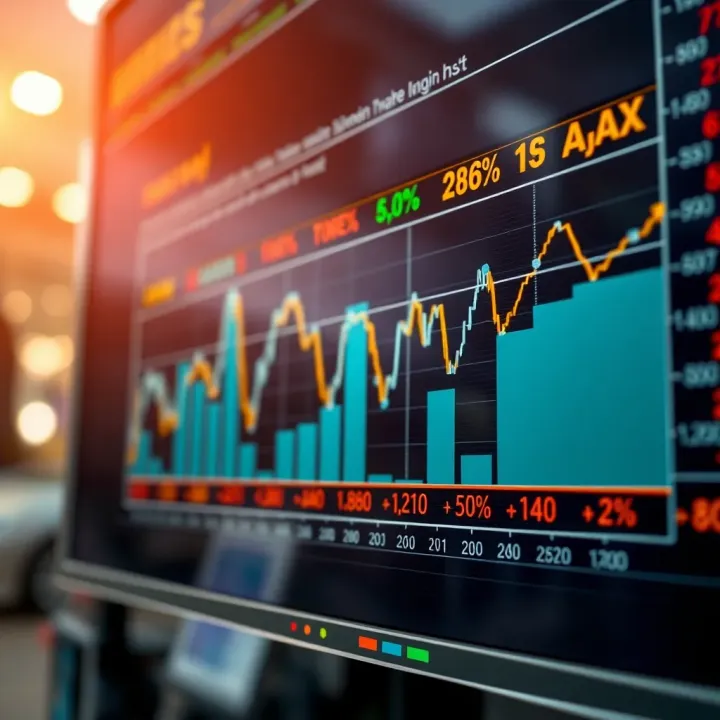
📅 Learn how Nigeria traders can use the forex economic calendar to track key data like interest rates and GDP, getting ahead in trading with smart, informed decisions.

💱 Understand forex trading: how the global currency market works, key players, methods, risks & rewards for Nigerian traders. Make smarter moves with forex insights today!
Based on 13 reviews