
How to Learn Forex Trading in Nigeria
Learn practical forex trading in Nigeria ₦ — understand market basics, master analysis, manage risk, and pick brokers while navigating naira swings and top fintech tools 📈💹
Edited By
Ethan Reed
Forex trading, the exchange of foreign currencies, can open doors to earning opportunities for Nigerians willing to learn. But it’s no get-rich-quick scheme. Success depends on understanding the market, choosing reliable platforms, and managing risk properly.
The forex market operates 24 hours a day, across time zones, making it accessible even for those juggling day jobs or schooling. For instance, while Lagos sleeps, Tokyo or New York markets are still active. This flexibility suits many Nigerians who want to trade alongside other commitments.
Before diving in, grasping the basic terms is key. Currency pairs like USD/NGN (U.S. Dollar against Nigerian Naira) show exchange rates that fluctuate per market demand. Traders buy or sell these pairs aiming to profit from price changes. Knowing how to read charts and price actions will help you spot chances and avoid traps.
Not every forex broker serves Nigerian traders equally well. Look out for brokers regulated by credible bodies such as the Nigerian Securities and Exchange Commission (SEC) or international regulators recognised in Nigeria. A good broker offers a transparent fee structure, fast withdrawals in ₦, and a user-friendly platform compatible with mobile devices—essential for Nigerians navigating power outages and network stability.
Don’t overlook education. Many Nigerian traders succeed by investing time in free resources from platforms like Babypips or coursera courses, alongside local forex mentorship programmes that offer context-specific insights. Practical exercises, using demo accounts first, sharpen skills without risking your capital.
Risk management should never be an afterthought. Using stop-loss orders, trading with only a small fraction of your capital, and avoiding emotional decisions prevents losses from spiralling out of control. For example, if you allocate ₦50,000, start trading with 1,000 or 2,000 naira lots to test strategies and build confidence.
Mastering forex trading in Nigeria involves patience, reliable information, and disciplined money management. Trading is a skill, not gambling.
This guide will walk you through essential steps tailored for the Nigerian market so you can trade smartly and steadily grow your forex knowledge and profits.
Grasping what forex trading entails is essential before you put your money on the line. Forex trading involves buying and selling different currencies simultaneously, aiming to profit from changes in their exchange rates. For Nigerians keen on entering this field, understanding these basics helps avoid pitfalls and make informed decisions.
Definition of forex trading: Forex, or foreign exchange, trading is the global market where currencies change hands. Unlike Lagos traffic, forex runs 24 hours on workdays, offering flexibility for traders to participate at convenient times. Essentially, when you trade forex, you speculate on whether a currency's value will rise or fall against another.
Major currency pairs and their importance: Most trading involves major currency pairs like USD/EUR, USD/JPY, or GBP/USD. These pairs have high liquidity, meaning you can buy or sell them quickly without affecting the price too much. For Nigerian traders, pairs involving the US dollar and the euro are significant because many imports and exports are priced in these currencies, affecting local business and investment.
How currency values change and what affects them: Currency prices fluctuate based on factors like economic data, political events, and central bank policies. For instance, if the Central Bank of Nigeria (CBN) changes its monetary policy, the naira could strengthen or weaken against other currencies. News about oil prices also impacts the naira, given Nigeria's dependence on oil exports.
Market hours and sessions: The forex market never really sleeps, operating across global sessions—Asian, European, and American. Knowing when these markets open and close helps Nigerian traders choose the best time to trade. For example, volatility is often higher when London and New York sessions overlap, offering more trading opportunities.
Role of brokers and liquidity providers: Brokers act as middlemen, connecting individual traders to the bigger forex market, while liquidity providers supply the actual currencies for trading. Selecting a broker regulated by Nigerian or international bodies ensures your funds are safe and transactions transparent. In Nigeria, brokers often support deposits and withdrawals in naira, making transactions smoother.
Spot trading versus forward contracts: Spot trading involves immediate exchange of currencies at current market rates, suitable for most retail traders. Forward contracts, however, agree on a fixed rate to exchange currency at a future date, often used by businesses to hedge against currency risk. For individual Nigerian traders, starting with spot trading is simpler and requires less capital.
Understanding how forex works lays the groundwork for practical trading. Without this, even the best strategies may falter. Nigerians entering forex should pay close attention to market hours, broker selection, and the factors influencing currency moves to trade smartly and effectively.
Starting forex trading in Nigeria requires careful steps, especially in selecting the right broker and setting up your account properly. These early decisions shape your trading experience, and in a market where scams and unreliable brokers abound, understanding these points can protect your capital.
Choosing a broker regulated by recognized authorities is non-negotiable. While Nigeria currently lacks a dedicated forex regulatory body, credible brokers often hold licences from global regulators like the Financial Conduct Authority (FCA) in the UK or the Cyprus Securities and Exchange Commission (CySEC). Brokers without such regulatory backing tend to operate with little accountability, increasing the risks of unfair practices or sudden withdrawal restrictions. For instance, a Nigerian trader using an unregulated broker might face sudden platform shutdowns without an effective legal channel to retrieve funds. Always check the broker’s regulatory status on their website or finance watchdogs.
A broker’s platform is your trading toolbox. Popular platforms include MetaTrader 4 (MT4), MetaTrader 5 (MT5), and cTrader, all offering tools for analysis and order execution. MT4 remains favourite among Nigerians for its simplicity and wide community support. Selecting a platform you find user-friendly is vital as it affects how efficiently you can react to market moves. For example, if you trade on a broker offering only web-based platforms without mobile app support, you might miss timely trade windows given Nigeria’s frequent power and internet challenges.
Handling funds in Naira is crucial to avoid costly currency conversions and delays. Leading brokers supporting Nigerians offer payment methods tailored to local convenience, including bank transfers, debit cards, and Nigerian payment gateways like Paystack or Flutterwave. Brokers should allow you to deposit directly in ₦ and withdraw easily without prolonged clearance. For example, a reliable broker might process deposits from GTBank or Access Bank instantly, helping you start trading without frustrating delays. Always confirm the fees and processing times before committing.
Opening a forex account usually involves choosing between demo and live accounts. Demo accounts let beginners practise with virtual funds, simulating real market conditions without financial risk. Nigerians can use this to understand price movements or test a trading strategy before risking ₦. Live accounts, on the other hand, require real money deposits and involve actual profit or loss. Brokers often offer different account tiers with varying trading conditions; for instance, a micro account allows small trades from as low as ₦1,000.
To comply with Anti-Money Laundering (AML) laws, brokers require identity checks. In Nigeria, the Bank Verification Number (BVN) and National Identification Number (NIN) are standard documents for this process. You’ll upload scanned copies during account opening. Though some find it cumbersome, these checks protect you by reducing fraud risks and ensuring smooth deposit and withdrawal operations. Without verified accounts, brokers might restrict access or freeze funds.
Before delving into live trading, spend time navigating your chosen platform’s interface. Knowing how to place orders, set stop-loss or take-profit levels, and access charts reduces costly mistakes. For example, understanding the difference between market and limit orders on MT4 can prevent entering trades at undesired prices. Many brokers provide tutorials or webinars, so take advantage of these resources. A trader who swiftly handles the platform even during market volatility gains an edge unlike one fumbling with basic controls.
Starting forex trading well-prepared in Nigeria means choosing a regulated broker, operating on suitable local payment options, and becoming comfortable with your trading platform. This foundation helps reduce unnecessary risks and positions you for potential success.
Gaining solid knowledge in forex analysis is vital for anyone serious about trading successfully. It helps you interpret market movements, anticipate trends, and make informed decisions rather than relying on guesswork. In Nigeria, with frequent currency fluctuations and policy shifts, understanding forex analysis can be a real advantage.
Fundamental analysis focuses on economic indicators and their impact on currency values. For example, Nigeria's inflation rate directly affects the naira's strength. When inflation rises unexpectedly, the naira often weakens against the dollar because purchasing power declines. Traders who track inflation reports or GDP growth figures get ahead by predicting which way the currency might move.
The policies of the Central Bank of Nigeria (CBN) have profound effects on forex markets. Changes in interest rates, forex intervention levels, or new guidelines on foreign exchange usage can shift currency values sharply. Recently, when the CBN adjusted its monetary policy rate or altered forex restrictions for businesses, traders noticed immediate reactions in the naira exchange rate. Staying updated on these policies helps traders avoid surprises and spot opportunities.
Global events also influence forex beyond local factors. Political tensions, commodity price swings (especially oil, Nigeria’s main export), or shifts in US Federal Reserve interest rates send ripples to the forex market here. For instance, a drop in global oil prices usually puts the naira under pressure due to reduced foreign reserves. Traders tracking such events can time their trades more effectively.
Technical analysis involves reading price charts and understanding the patterns they show. Price action tells you where the market has been and hints at where it might go next. Nigerian traders often use chart patterns like “head and shoulders” or “double bottom” to predict reversals or continuation in trends.
Common indicators such as moving averages and the Relative Strength Index (RSI) provide quantitative insight. A moving average smoothens price data to reveal the overall trend, while RSI indicates whether a currency pair is overbought or oversold. For example, if RSI crosses above 70, it may hint that the pair is overbought and due for a correction. These tools help remove emotional bias from trading decisions.
Identifying support and resistance levels is another key skill. These are price points where the market repeatedly stops falling or rising. In Nigerian markets, such levels often coincide with major economic announcements or geopolitical events. Knowing these zones enables traders to set better entry and exit points, controlling risk while aiming for gains.
Mastery of both fundamental and technical analysis equips Nigerian traders with a balanced view — knowing why the market moves and how to act on those moves adds quality to every trade.
Developing practical trading skills and discipline is a must for anyone serious about forex trading. Without this foundation, even the best strategies might fail due to emotional decisions or poor execution. In Nigeria, where market volatility and economic shifts can be quite intense, disciplined trading helps reduce losses and improve consistency over time.
Setting realistic goals is the first step in building a solid trading plan. Rather than aiming for unrealistic profits like doubling your account in a week, set achievable targets based on your capital and experience. For example, a goal to earn 5-10% monthly returns is more reasonable and helps manage your expectations. This approach reduces the chances of reckless trades motivated by greed or impatience.
Determining risk tolerance means understanding how much loss you can accept without affecting your financial well-being or emotional control. For instance, a new trader in Lagos might decide not to risk more than 1% of their trading capital on a single trade. This limit prevents a bad trade from wiping out significant funds and helps keep emotions in check, especially during volatile market days.
Choosing trading strategies involves picking methods that fit your goals and personality. Some traders prefer day trading with quick entries and exits, while others like swing trading that holds positions for days. For example, a Nigerian trader working a 9-to-5 job may find swing trading more manageable than constant screen watching needed for day trading. Whatever strategy you pick, it should match your available time, risk appetite, and understanding.
Using stop-loss and take-profit orders is a practical way to control losses and secure profits automatically. A stop-loss order closes your position when the price moves against you by a set amount, limiting damage. Conversely, a take-profit order locks in gains once the price hits your target. Suppose you buy USD/NGN expecting the naira to weaken; setting a stop-loss at 1% loss and a take-profit at 3% gain helps manage your trades without needing to monitor constantly.
Managing leverage responsibly is critical, especially in Nigeria where brokers often offer high leverage ratios like 1:500. While high leverage can amplify profits, it also magnifies losses. Using excessive leverage recklessly can drain your capital quickly. A smart trader uses low to moderate leverage—say 1:10 or 1:20—to balance opportunity and risk.
Importance of trade journaling cannot be overemphasised. Keeping a record of your trades, including entry and exit points, reasons for taking the trade, and outcomes, helps you spot mistakes and improve. For example, a diary noting that most losses come from trades taken during major news releases may encourage you to avoid trading at those times. Consistent journaling builds accountability and sharpens your strategy.
Practical skills and discipline in forex trading are as vital as knowledge. Without these, a trader risks turning a promising opportunity into costly errors. Start small, plan well, manage risks, and keep track of progress to grow steadily in the Nigerian forex market.
Navigating the forex market without proper resources and support is like driving on Lagos roads without a map — confusing and risky. For Nigerian traders, tapping into targeted educational content and reliable communities can significantly boost your chances of success. This section highlights key resources and networks that make forex learning practical and relevant, helping you trade confidently in the Nigerian context.
Recommended online courses and tutorials offer structured learning suited for beginners and experienced traders alike. Platforms like Coursera, Udemy, and Babypips provide clear lessons on forex basics, technical analysis, and trading psychology. These courses usually balance theory with practice, allowing Nigerians to follow at their own pace. For example, Babypips breaks down complex concepts into simple English, which helps reduce the overwhelm especially when you're just starting out.
Books suitable for beginners serve as handy references that you can revisit anytime offline. Titles such as "Currency Trading for Dummies" and "Japanese Candlestick Charting Explained" unpack forex jargon and trading techniques in an accessible way. Nigerian traders find such books useful because they complement online lessons and help build a solid foundation before risking real money.
Nigerian-focused forex learning platforms deliver content tailored to local challenges like naira volatility, CBN policies, and trusted brokers. Platforms such as Investibank and NaijaFX provide tutorials and real-life case studies relevant to our market. This localised approach helps you understand how external factors like fuel subsidy changes or election cycles affect currency pairs, especially USD/NGN.
Local and online forex forums create spaces for exchanging ideas, strategies, and market news. Forums like Nairaland's forex section or dedicated WhatsApp groups enable traders across Nigeria to ask questions, share screenshots, and report scams. These forums serve as informal classrooms where Nigerian traders can learn from peers who understand local market conditions.
Following experienced traders is an effective way to gain ongoing insights and learn trading styles. Many Nigerian traders and mentors share their strategies on platforms like Twitter and Telegram. By observing their trades and commentary, you can pick up practical tips that help you avoid common pitfalls like over-leveraging or chasing losses.
Using social media for updates and tips adds a dynamic layer to your learning. News about CBN policy changes, NSE movements, or geopolitical events often break first on Twitter or LinkedIn. Subscribing to reputable Nigerian fintech influencers and analysts ensures you get timely alerts, which can save your trade from unexpected shocks.
Why demo trading matters cannot be overstated. Demo accounts let you trade with virtual money, giving you the chance to test strategies without risking ₦. For Nigerian traders, this is invaluable since naira fluctuations and broker spread differences can make actual trading tricky at first.
Simulating real market conditions in demo mode involves matching live price feeds and practising order entries and exits. Demo platforms from brokers like FXTM and IG Markets provide real-time data, so your practise reflects genuine market behaviour. This hands-on experience breeds familiarity and confidence before you go live.
Transitioning from demo to live trading requires discipline. Though demo profits are encouraging, real-money trading involves emotions like fear and greed. Nigerian traders are advised to start live trading with small amounts and gradually increase their stake as they refine their skills and mental control.
Accessing the right educational tools, engaging with supportive communities, and practising diligently through demo accounts form the backbone of smart forex trading in Nigeria. Without these, you risk getting lost in the hustle.
By combining these resources, you set yourself up for steady progress and reduce the chances of costly mistakes amid Nigeria's unique market dynamics.
Learn practical forex trading in Nigeria ₦ — understand market basics, master analysis, manage risk, and pick brokers while navigating naira swings and top fintech tools 📈💹
📈 Learn forex trading online, discover essential tools, avoid scams, and start trading safely as a Nigerian. Practical steps and reliable resources included. ₦
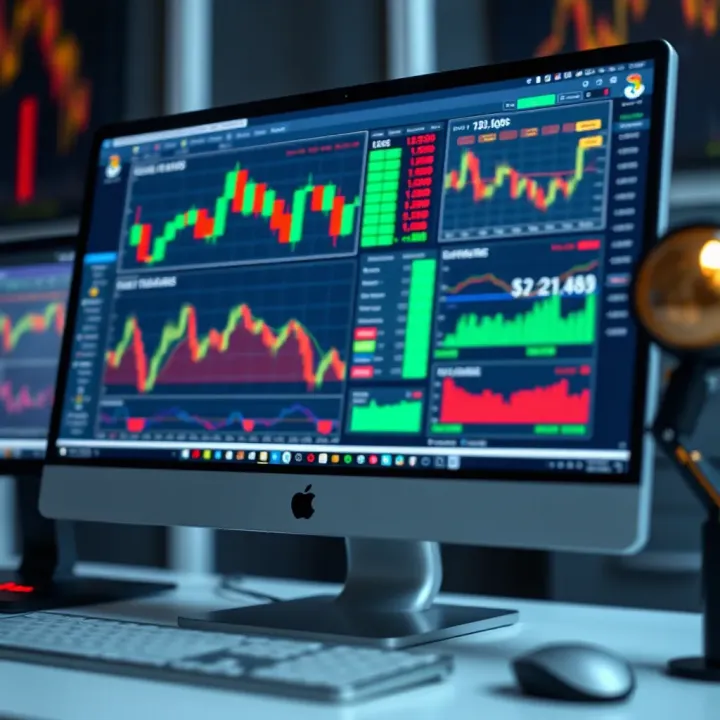
📈 Discover how Nigerian traders can master forex trading with tools, risk management, and practical tips. Start your trading journey confidently today! 💹
Learn forex trading in Nigeria 🇳🇬: Understand how the market works, risks & rewards, Nigerian platforms, regulatory tips, and how to trade smartly with ₦ today.
Based on 5 reviews